Japanese Sake Sets: Tokkuri, Ochoko and How to Serve Sake
Pouring sake for someone else, and letting them pour for you, is one of the small courtesies that makes a Japanese meal feel like an occasion. The vessels that make it possible are simple: a little flask and a set of tiny cups. Together they are a sake set, and choosing a good one is less about price than about understanding how sake likes to be served.
This guide explains the two core pieces — the tokkuri and the ochoko — how material and shape change the experience, and how to serve sake warm or chilled without ruining it. If you are buying your first set, or a gift, you’ll know what to look for by the end.
What is in a Japanese sake set?
A traditional set has two parts:
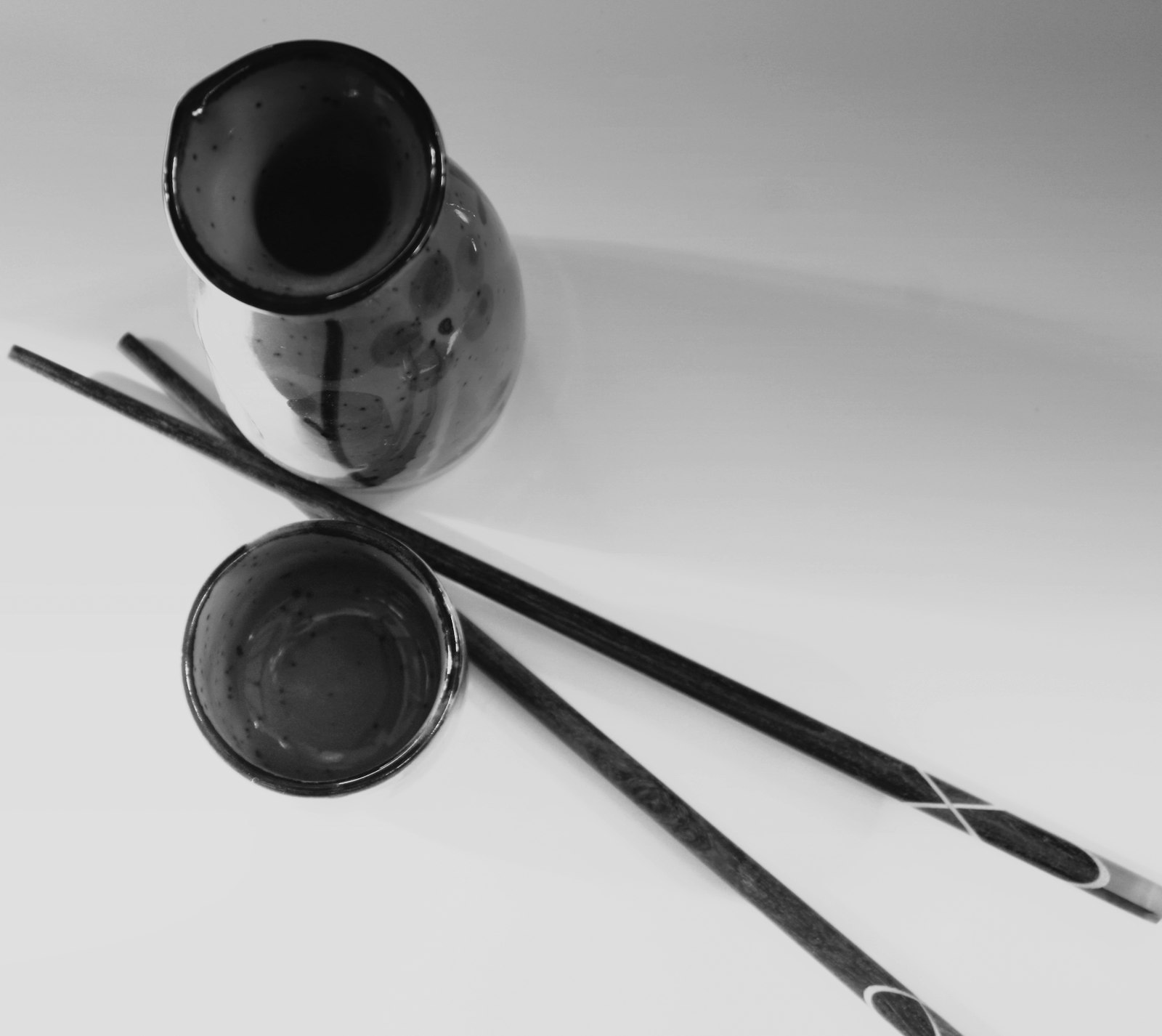
- Tokkuri (徳利) — the small flask or carafe you pour from. Its narrow neck controls the pour and, when warming sake, lets you check the temperature by touch. Typical tokkuri hold around 180–360 ml (roughly one to two go, the traditional sake measure).
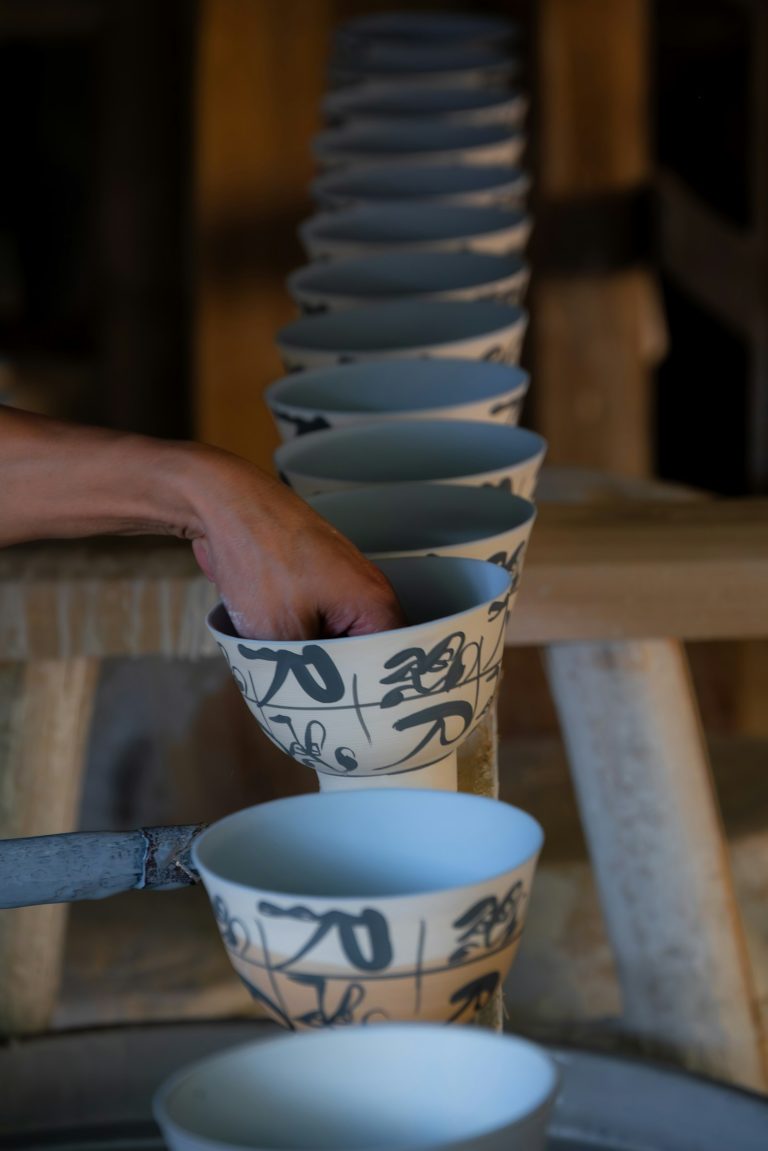
- Ochoko (お猪口) — the small cups you drink from. Their tiny size keeps sake fresh in the cup and, more importantly, keeps the ritual going: you empty a cup quickly, and someone refills it for you.
You’ll meet a few close relatives too. A guinomi is a slightly larger sipping cup for when you want more than a mouthful. A sakazuki is a shallow, saucer-like ceremonial cup seen at weddings and New Year. And a masu is the square wooden (or lacquered) box once used to measure rice, now used to drink sake — sometimes with a glass set inside it and filled to overflowing as a gesture of generosity.
How to choose a sake set
Three factors matter: material, the shape of the cup, and the size of the whole set.
1. Material
- Porcelain and glazed ceramic: the most versatile choice. It works for both warm and chilled sake, is easy to clean, and shows nothing of its own — you taste the sake, not the cup.
- Glass: best for chilled, aromatic styles. Cool to the touch and visually crisp, glass flatters a fragrant ginjo but is a poor choice for hot sake.
- Tokoname and other clay wares: traditional and tactile; a warm ceramic tokkuri holds heat well for warmed sake.
- Tin (suzu) and metal: prized in Japan for warmed sake because metal conducts heat evenly; often more of a specialist or gift purchase.
- Lacquered wood and masu: characterful and festive, but a niche rather than an everyday set.
2. Cup shape
The rim of an ochoko changes the drink more than you’d expect. A flared, open rim spreads the sake across the palate and lifts aroma — good for fragrant, chilled styles. A straighter, narrower cup concentrates the drink and keeps warmth in — good for warmed sake. Many sets also have a small blue double-ring pattern (janome) painted in the bottom of the cup; it isn’t just decoration, it helps you judge the clarity and color of the sake.
3. Size and set count
Sake sets usually come as one tokkuri with two ochoko — built for sharing, since pouring for each other is the whole idea. For a household, a single tokkuri plus four cups covers guests. Choose a tokkuri size to match how you drink: a smaller 180 ml flask keeps warmed sake at its best temperature (you refill more often), while a 300 ml+ carafe suits chilled sake poured freely.
Serving sake: warm, cool, or chilled
Sake is served across a wider temperature range than almost any drink — roughly 5°C to 55°C (about 41°F to 130°F) — and temperature genuinely changes the flavor. As a starting point:
- Chilled (around 10°C / 50°F): best for fragrant, highly polished styles such as ginjo and daiginjo, and for unpasteurized nama-zake. Chilling protects the delicate aromatics.
- Room temperature (hiya, around 20°C / 68°F): a neutral way to taste a sake’s true character.
- Warm (nurukan, around 40°C / 104°F): gentle warmth that opens up fuller, richer, well-aged sakes.
- Hot (atsukan, around 50°C / 122°F): comforting in winter; suits robust, higher-acidity styles.
A rough rule: delicate and fragrant sakes reward chilling, while fuller-bodied and aged sakes reward gentle warming. When in doubt, a good junmai is famously flexible and tastes good across the range.
How to warm sake the right way
The traditional method is a hot-water bath, and it is worth doing properly:
- Fill the tokkuri with sake to about 80–90% (leaving room so it doesn’t overflow as it warms).
- Stand the tokkuri in a pot or bowl of hot — not boiling — water for a few minutes.
- Check the temperature by touching the outside of the flask; warm to the touch is nurukan, hot is atsukan.
Two cautions worth remembering. Avoid the microwave where you can: it heats unevenly, creating hot spots that scald the sake and flatten its aroma. And never let sake boil — overheating strips out the very fragrance you paid for, especially in a delicate ginjo. Warm slowly, taste as you go, and stop while it’s still pleasant.
Sake sets at a glance
| Choose by need | Material | Best served | Notes | Typical price* |
|---|---|---|---|---|
| One versatile everyday set | Porcelain / glazed ceramic | Warm or chilled | Easiest all-rounder | $ – $$ – check current price |
| Chilled aromatic sake | Glass | Chilled only | Crisp, cool; poor for hot sake | $ – check current price |
| Warmed sake in winter | Ceramic or tin (suzu) | Warm | Holds heat evenly | $$ – $$$ – check current price |
| Gift or celebration | Lacquer, masu, or painted set | Varies | Presentation-forward | $$ – $$$ – check current price |
*Prices vary by maker, material and set size. Confirm current pricing and specifications on the retailer’s own page before buying.
Which sake set should you buy?
If you want one set that does everything: a plain porcelain or glazed-ceramic tokkuri with two or four ochoko. It handles warm and chilled sake and never gets in the way of the flavor.
If you mostly drink chilled ginjo: choose glass, and a cup with a slightly flared rim to carry the aroma.
If you love warm sake: a ceramic or tin set that holds heat, with smaller cups so each pour stays at temperature.
If it’s a gift: a matched, boxed set — or a characterful masu or lacquer piece — presents beautifully. Specialist Japanese tableware shops describe the ware and maker honestly, which matters more than a bargain price for something meant to last.
Buy this, not that
For a first set, buy a plain glazed ceramic or porcelain tokkuri of about 180 ml with two ochoko: it is the only combination that is equally at home at 10°C and 45°C, and it costs the least of anything here. Don’t make a glass set your only set if you ever want warmed sake — glass sheds heat quickly and a chilled-sake cup is a poor flask on a cold night. And don’t start with tin or lacquer: they are lovely, expensive and specialised, which is the wrong order for a cupboard you are still building.
Caring for your sake set
- Rinse promptly after use; sake residue is easy to remove when fresh.
- Hand wash ceramic, tin, lacquer, and painted pieces. Metallic decoration, tin, and lacquer should never go in the dishwasher, where detergent and heat will dull or damage them.
- Dry the tokkuri thoroughly, especially the inside — its narrow neck traps moisture. Stand it upside down to air out before storing.
- Never heat an empty tokkuri or subject fine ceramic to sudden temperature shocks (straight from hot water bath to cold water), which can crack it.
Frequently asked questions
What is the difference between a tokkuri and an ochoko?
The tokkuri is the flask you pour from; the ochoko is the small cup you drink from. A basic sake set is one tokkuri and two ochoko.
Should sake be served hot or cold?
It depends on the sake. Fragrant, highly polished styles (ginjo, daiginjo) are best chilled; fuller-bodied and aged sakes are lovely gently warmed. Many junmai sakes taste good either way, which makes them a forgiving place to start.
Can I warm sake in the microwave?
It’s better not to. Microwaving heats unevenly and creates hot spots that scald the sake and drive off its aroma. A hot-water bath gives you gentle, even warmth and lets you stop at the right temperature.
Why are the cups so small?
Small cups keep the sake fresh in the cup and keep the social ritual going — you empty a cup quickly and someone refills it. In Japanese etiquette you generally pour for others rather than for yourself.
Is a sake set dishwasher safe?
Plain glazed porcelain often is, but tin, lacquer, and hand-painted or gold-decorated pieces are not. Check the maker’s guidance and, when unsure, hand wash.
About this guide. Nagori Ware is an independent guide to Japanese tableware and tea. We research materials, regions and makers so you can buy once and buy well. We do not sell products; we point you to the specialist shops that make and stock them, and may earn a referral fee if you buy.
Disclosure: Nagori Ware is an independent editorial guide written from Japan. Some links elsewhere on the site are affiliate links. Parts of this site are drafted with AI assistance and checked against Japanese sources. General information, not legal or safety advice.