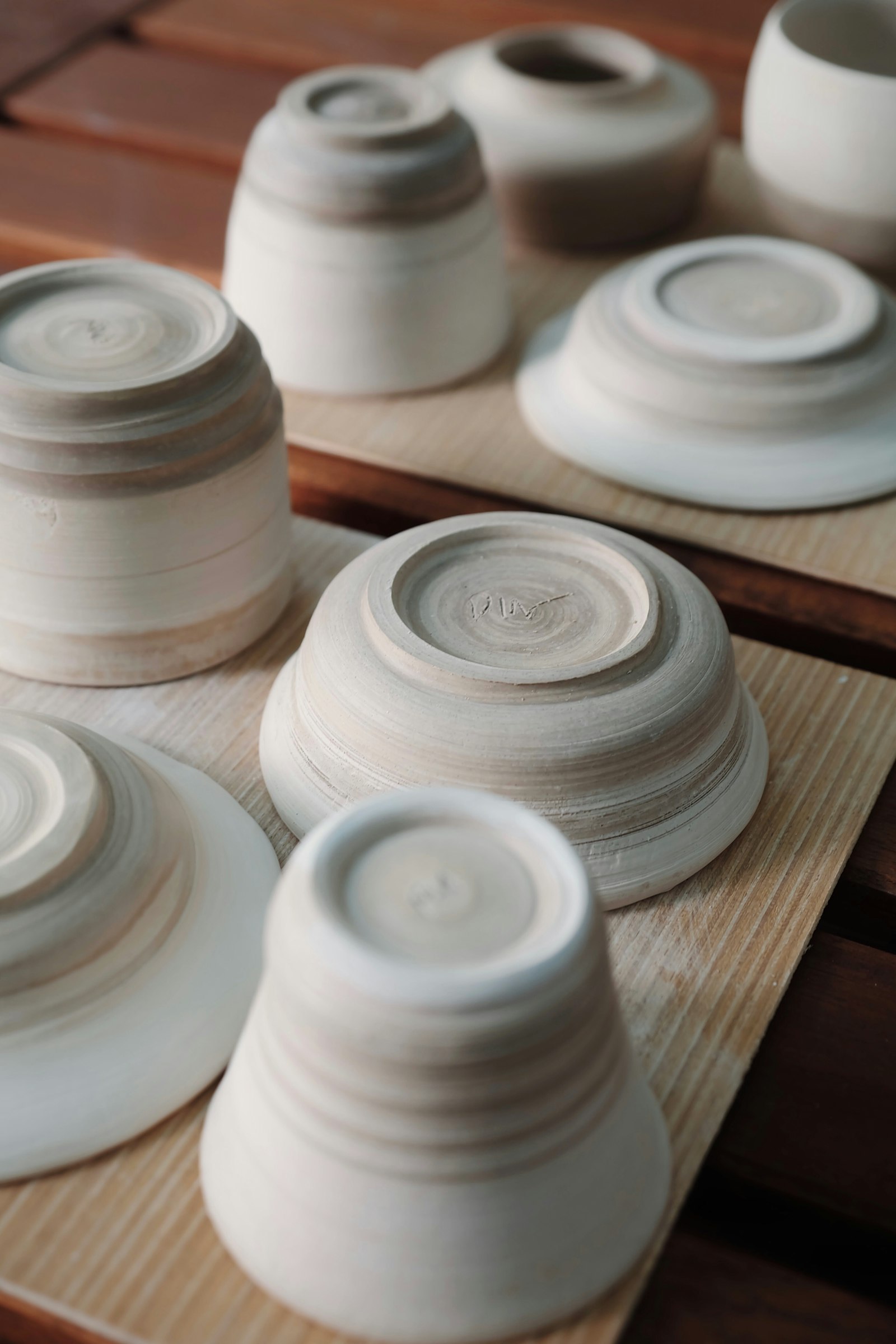
Japanese Tableware & Dinnerware: A Complete Guide to the Japanese Table
The Japanese table is built from many small vessels, each shaped for one job: a bowl sized to cradle rice in one hand, a deeper bowl for soup noodles, a scatter of little dishes for pickles and sides. Nothing quite matches, and yet it all belongs together. This is a map of that table — what each piece is for, the wares and materials worth knowing, and where to begin.
Use it as a starting point: each section links to a full guide when you are ready to choose a specific piece.
The vessels of the Japanese table
Rice bowl (chawan). Small, ~11–12 cm, held in one hand and lifted to the mouth — the anchor of almost every meal. See our guide to the best Japanese rice bowls.
Ramen bowl. A large donburi built for heat and volume — wide, deep and heavy enough for broth, noodles and toppings. See the guide to Japanese ramen bowls.
Noodle bowls, hot and cold. Deep bowls for udon and soba, a draining zaru for cold soba and somen, and the versatile soba choko dipping cup. See the guide to Japanese noodle bowls.
Donburi. The everyday rice-plus-topping bowl — steeper and deeper than a rice bowl — for gyudon, katsudon and oyakodon. See the donburi bowl guide.
Dinnerware: the whole table. Small plates, medium plates and soup bowls that turn single pieces into a meal. See how to build a Japanese dinnerware set.
Tea, alongside the table. The rice bowl’s twin is the matcha bowl — also a chawan — with its own world of tools. See our guides to matcha bowls for beginners and matcha sets.
Porcelain or pottery: the choice under everything
Almost every decision on the Japanese table comes back to two families of ceramic. Porcelain (jiki 磁器) is hard, white, light and durable — smooth to clean, tolerant of the dishwasher, crisp under painted patterns. Pottery / stoneware (tōki 陶器) is earthier, heavier and warmer, showing the maker’s hand and the kiln’s accidents, but asking for gentler care. Neither is better. A weeknight table leans porcelain; a slow, tactile one leans stoneware. Most collected tables hold both.
The wares worth knowing
- Hasami ware (波佐見焼, Nagasaki) — the people’s porcelain. Durable, stackable, modern, the best value entry point.
- Mino ware (美濃焼, Gifu) — Japan’s largest pottery region; hugely varied, from clean porcelain to earthy glazes. Often the answer when a bowl is simply “a nice Japanese bowl.”
- Arita / Imari ware (有田焼, Saga) — Japan’s first porcelain, finely painted and gift-worthy.
- Shigaraki, Bizen, Hagi, Karatsu — characterful stonewares, some prized especially in tea.
The core pieces at a glance
If the range of vessels feels overwhelming, this table is the shortcut. It gathers the pieces you will actually use most, with the Japanese name, a rough size, and what each is for. Every row links onward to a full guide when you are ready to choose one.
| Piece | Japanese | Typical size | Best for |
|---|---|---|---|
| Rice bowl (chawan) | 茶碗 | 11–12 cm | Steamed rice, held in one hand |
| Ramen bowl (donburi) | 丼 | 18–22 cm | Ramen, rice bowls, one-bowl meals |
| Noodle bowls | 麺鉢 | varies | Udon, soba, somen (hot and cold) |
| Plates (osara) | 皿 | 15–27 cm | Mains, grilled fish, sharing |
| Small dishes (kobachi, mamezara) | 小鉢・豆皿 | 6–18 cm | Sides, pickles, condiments |
| Sushi plates & serveware | 寿司皿・長皿 | long/oval | Sushi, sashimi, tempura |
| Teacup (yunomi) | 湯呑 | 150–250 ml | Everyday green tea |
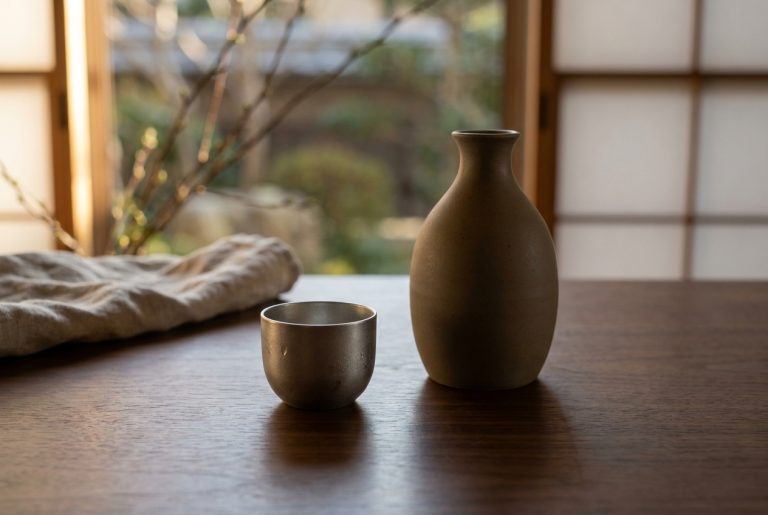
| Sake set (tokkuri, ochoko) | 徳利・お猪口 | small | Serving sake, warm or chilled |
Where your tableware comes from: Japan’s pottery regions
Part of buying Japanese tableware well is knowing where a piece was made, because Japan’s pottery towns each have a distinct character built over centuries. A handful of names covers most of what you will encounter, and recognising them tells you a lot about a dish before you even pick it up.
Arita and Imari (Saga)
Arita is the birthplace of Japanese porcelain: production began there around 1616, after high-quality porcelain stone was discovered nearby. Historically shipped from the port of Imari, Arita ware is famous for its smooth white body decorated with cobalt blue-and-white (sometsuke) and vivid overglaze enamels. It set the standard for fine Japanese porcelain and once captivated European royalty. If you want crisp, refined, decorative porcelain, this is the tradition to know.
Mino (Gifu)
Mino is Japan’s largest producer of everyday tableware — a great deal of the dishes in ordinary Japanese homes come from here. Beyond volume, Mino is the home of celebrated glaze styles: earthy green Oribe, milky white Shino, and yellow Kizeto. It is the region to look to for characterful yet affordable pieces you will use daily.
Hasami (Nagasaki)
Hasami built its reputation on high-volume, everyday porcelain — historically some of the most produced in the country — made to be used, not just admired. Today Hasami ware is prized for clean, modern, functional designs at accessible prices, which makes it a favourite entry point for building a first set.
Seto (Aichi)
Seto has such a long, broad ceramic history that setomono — literally “things from Seto” — became a general Japanese word for ceramic tableware. Seto makes both pottery and porcelain across a wide range of styles, and its name is a reminder of how central ceramics are to daily Japanese life.
Bizen and Shigaraki: the stoneware traditions
Not all Japanese ceramics are glazed and refined. Bizen (Okayama) is unglazed, high-fired stoneware whose surface is coloured entirely by wood-fire and ash — no glaze at all — giving each piece a rugged, one-of-a-kind finish. Shigaraki (Shiga), one of Japan’s oldest kiln towns, makes warm, sandy, rustic stoneware in the same wood-fired spirit. These wares speak the language of wabi-sabi: imperfect, tactile, and quietly alive.
Kutani, Mashiko and beyond
Kutani (Ishikawa) is known for bold, richly coloured overglaze painting, while Mashiko (Tochigi) is a centre of the folk-craft (mingei) movement, producing sturdy, honest, hand-thrown pottery. There are dozens more — Tobe, Kasama, Tokoname — but once you know the handful above, most of what you meet will fall into place.
Caring for Japanese tableware
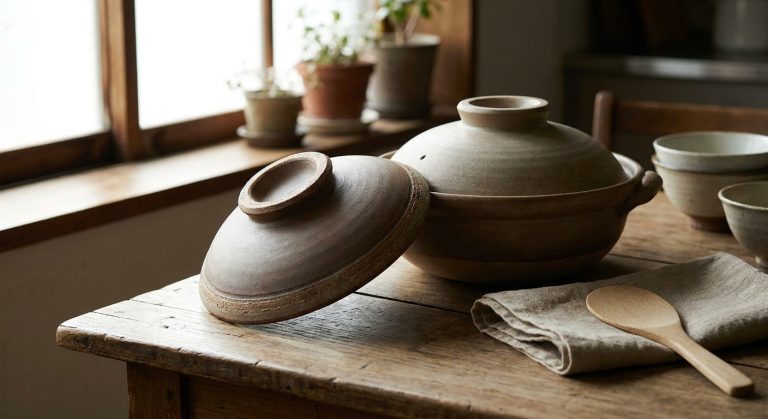
Most glazed porcelain and stoneware is durable and dishwasher-safe, but a few habits keep pieces looking their best for decades. Wash anything decorated with gold or silver by hand, since dishwasher heat dulls the finish. Treat unglazed stoneware like Bizen gently — rinse and dry it rather than soaking it, and avoid harsh detergents. New unglazed or earthenware pieces sometimes benefit from medome, a simple starch-water simmer that seals the porous clay before first use. And let hand-thrown pieces cool before washing to avoid thermal shock.
Frequently asked questions
What is the difference between Japanese pottery and porcelain?
Porcelain (jiki) is fired from refined stone at high heat into a hard, white, non-porous body that is often thin and can be translucent — think crisp Arita ware. Pottery or stoneware (tōki) is made from clay, fired a little lower, and stays heavier, warmer in colour, and slightly porous — think rustic Bizen or Shigaraki. Neither is better; they suit different moods and dishes.
Do Japanese dishes need to match?
No — and traditionally they do not. A Japanese table deliberately mixes shapes, glazes, and regions, unified by season and balance rather than by a matching set. Holding one element constant (a colour, a material) keeps a varied table looking intentional.
Which region should a beginner start with?
Hasami and Mino are the friendliest starting points: both make everyday, well-made pieces at accessible prices. Add a single statement piece from Arita or a stoneware town like Bizen once you know what you reach for most.
Is Japanese tableware microwave- and dishwasher-safe?
Plain glazed porcelain and stoneware usually handle both, but pieces with gold or silver decoration should avoid the microwave and dishwasher, and unglazed or repaired pieces should be handwashed. When in doubt, check the maker’s guidance.
Related guides
Ready to go deeper on a specific piece? Explore our guides to Japanese dinnerware sets, small dishes, sushi plates and serveware, and the Japanese sake set. For the tea side of the table, start with our complete guide to Japanese tea and the yunomi teacup guide.
Where to begin
- Start with rice bowls — the piece you use most.
- Add a few small and medium plates in a neutral porcelain so a meal looks like ichijū-sansai.
- Buy the bowls for the dishes you actually cook — ramen, noodle or donburi bowls as your kitchen leans.
- Grow slowly, in pairs, holding one thing constant (a color, a material, a region) so the table stays harmonious.
Buy once, buy well, and let the table gather character over years of use. That slow accumulation — the nagori, the trace of use — is the quiet pleasure of the Japanese table.
About this guide
Nagori Ware is an independent guide to Japanese tableware and tea. We research materials, regions and makers so you can buy once and buy well. We do not sell products; we point you to the specialist shops that make and stock them, and may earn a referral fee if you buy.
Disclosure: Nagori Ware is an independent editorial guide written from Japan. Some links elsewhere on the site are affiliate links. Parts of this site are drafted with AI assistance and checked against Japanese sources. General information, not legal or safety advice.