Skip to content

Nagori Ware

  • Bowls
  • Tea
  • Tableware
Nagori Ware
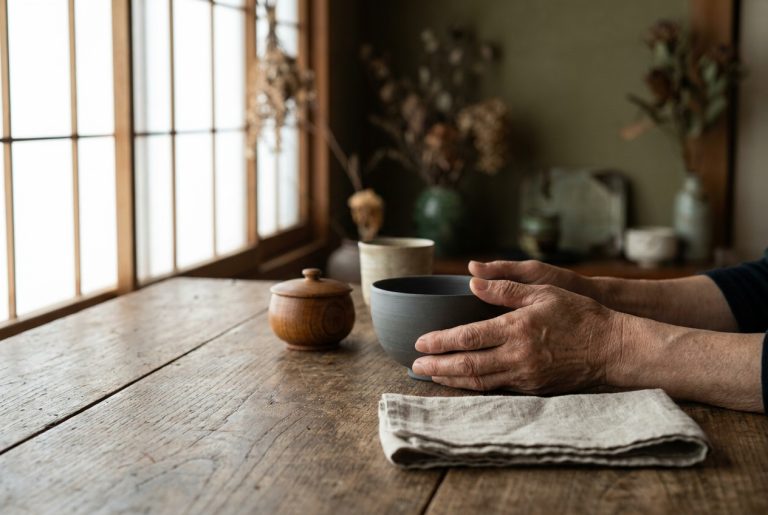
  • Hands resting around an intact dark stoneware bowl on a worn wooden table, beside a small lidded wooden pot and a folded cloth, in morning window light
    Tableware

    Kintsugi: Is It Food Safe? Urushi vs. Epoxy, Explained

    ByMitsuru Kobayashi August 10, 2026September 25, 2026

    Kintsugi turns a broken bowl into something arguably more beautiful than before — but can you actually eat and drink from a mended piece? The honest answer: only if it was repaired with traditional natural lacquer (urushi) and fully cured. Many modern quick-repair kits use epoxy or synthetic resin and are meant for decorative pieces,…
    Read More Kintsugi: Is It Food Safe? Urushi vs. Epoxy, ExplainedContinue

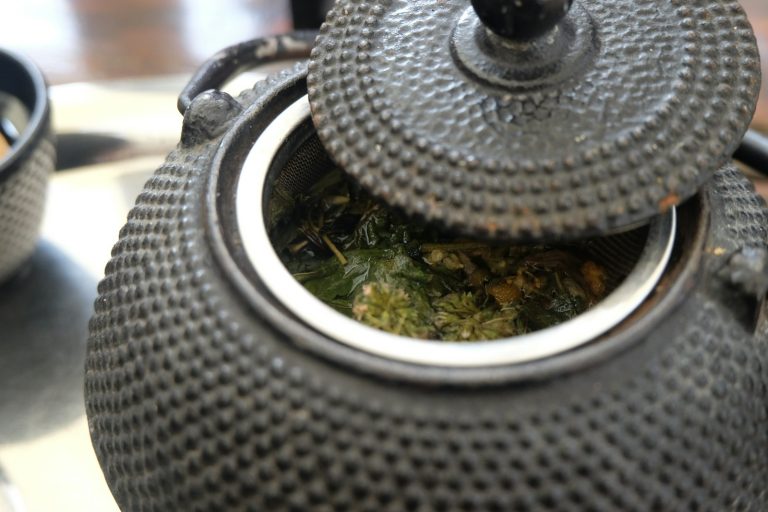
  • A Japanese cast iron teapot with a raised arare dot texture and top handle
    Tea

    Tetsubin vs. Kyusu: The Japanese Cast Iron Teapot, Explained

    ByMitsuru Kobayashi August 10, 2026October 13, 2026

    A cast iron teapot has real presence — heavy, dark, often textured with a pattern of raised dots. It looks like an heirloom, and a good one can be. But the single most common mistake buyers make is assuming all Japanese cast iron is the same. It isn’t. There are two different objects here, they…

    Read More Tetsubin vs. Kyusu: The Japanese Cast Iron Teapot, ExplainedContinue

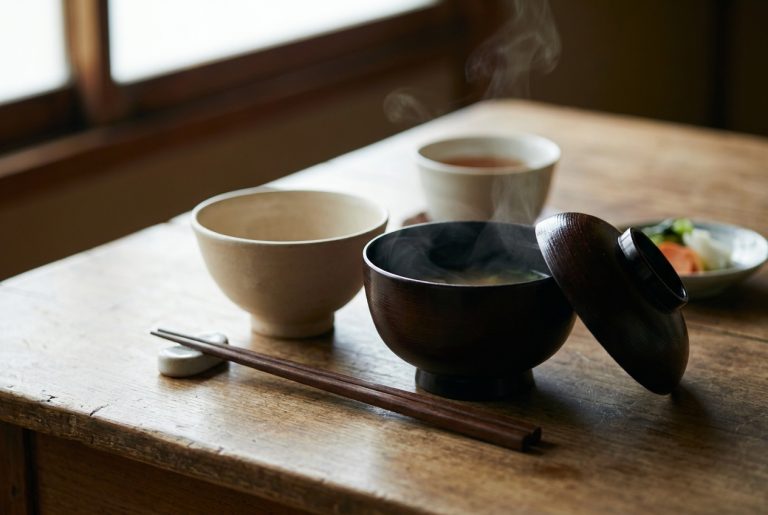
  • A dark lacquered wooden soup bowl with its lid set beside it, next to a pale ceramic rice bowl and lacquered chopsticks on a wooden table in morning light
    Tableware

    Japanese Lacquerware (Urushi): How to Tell Real Lacquer From Plastic Before You Buy

    ByMitsuru Kobayashi August 10, 2026October 16, 2026

    Two Japanese soup bowls, one at $18 and one at $180, photograph almost identically. Nobody is hiding anything. Both are smooth, dark, seamless surfaces, and a camera can only see surfaces. One of them is a sprayed film over moulded plastic. The other is a block of wood turned on a lathe, wrapped in cloth…

    Read More Japanese Lacquerware (Urushi): How to Tell Real Lacquer From Plastic Before You BuyContinue

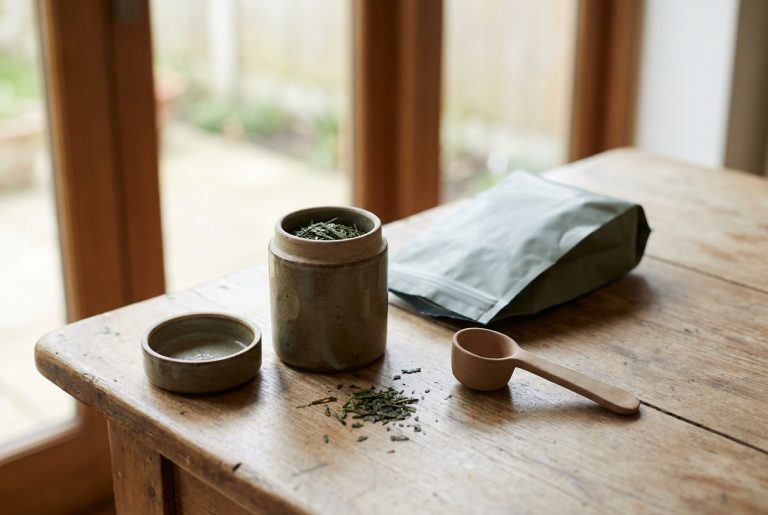
  • A lidded canister of Japanese green tea open on a wooden table beside a resealable foil pouch and a wooden measuring scoop, with loose sencha leaves spilled on the wood
    Tea

    How to Store Green Tea: Your Tea Caddy Is a Decanter, Not a Vault

    ByMitsuru Kobayashi August 10, 2026October 2, 2026

    Turn the bag over. The date printed on it is a best-before date, and it was set for the bag while it was still sealed — usually gas-flushed or vacuum-packed, light-proof, untouched. It says nothing at all about the bag on your counter: the one you opened five weeks ago and have been rolling shut…

    Read More How to Store Green Tea: Your Tea Caddy Is a Decanter, Not a VaultContinue

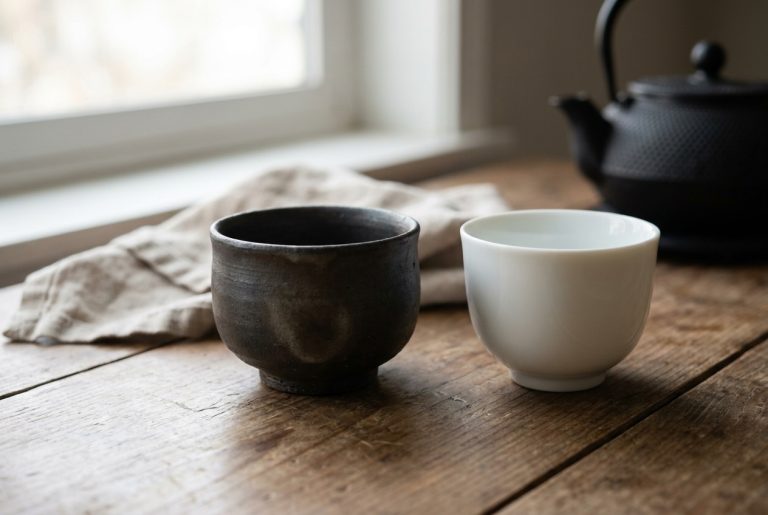
  • A dark, well-used unglazed stoneware cup beside a plain new white porcelain cup on a wooden table in morning light
    Tableware

    Wabi-Sabi Tableware: Buy the Piece That Will Change, Not the One That Looks Old

    ByMitsuru Kobayashi August 9, 2026October 7, 2026

    Search for wabi-sabi tableware in English and you will be shown, almost without exception, the same thing: matte beige stoneware with a deliberately uneven rim, sold in sets of six identical pieces, photographed on a linen runner. It is a look, and the look is finished before it reaches you. Nothing about it will be…

    Read More Wabi-Sabi Tableware: Buy the Piece That Will Change, Not the One That Looks OldContinue

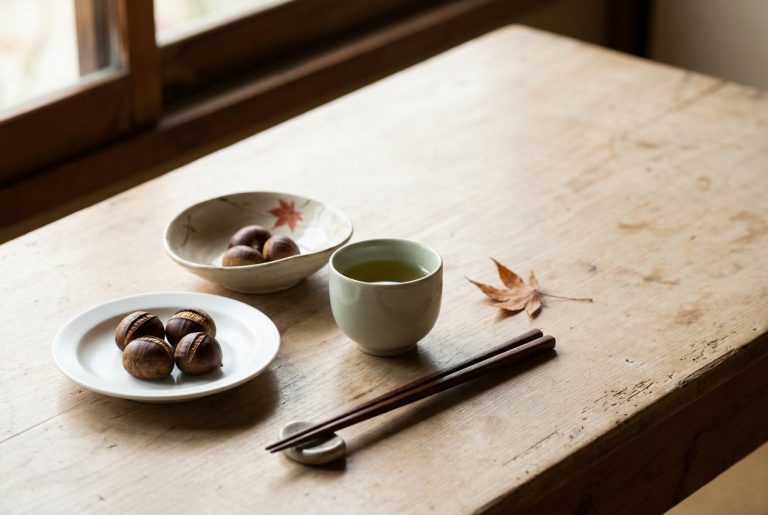
  • A late-autumn Japanese table: a small dish painted with a red maple leaf, a plain white plate of chestnuts, a handleless cup of green tea and chopsticks on a rest, with one dried maple leaf on the bare wood.
    Tableware

    Japanese Seasonal Motifs: Momiji, and the Rule of Running Early

    ByMitsuru Kobayashi August 9, 2026August 27, 2026

    There is a rule about seasonal patterns in Japan that almost nobody writing in English says out loud, and it changes what you should buy: you put the motif on the table before the season arrives, and you put it away once the season is at its peak. A maple-leaf plate is not for the…

    Read More Japanese Seasonal Motifs: Momiji, and the Rule of Running EarlyContinue

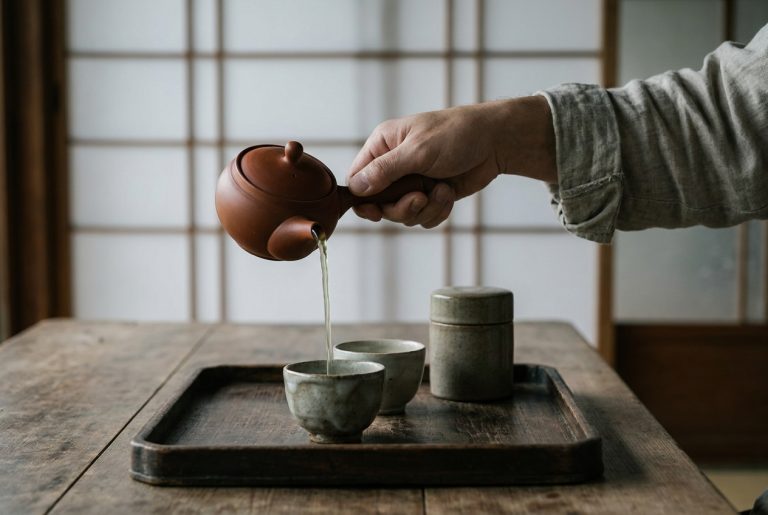
  • A hand gripping the side handle of a red clay kyusu, pouring green tea straight down into a small cup on a wooden tray
    Tea

    How to Choose a Japanese Tea Set: Everyday Sets vs Guest Sets

    ByMitsuru Kobayashi August 8, 2026October 13, 2026

    A friend of ours bought her first Japanese tea set the way most people do: she searched the phrase, sorted by reviews, and clicked the handsome one. What arrived was a fifteen-piece box — a teapot, six cups, six saucers, a lacquered tray — and it has lived in a cupboard ever since, because she…

    Read More How to Choose a Japanese Tea Set: Everyday Sets vs Guest SetsContinue

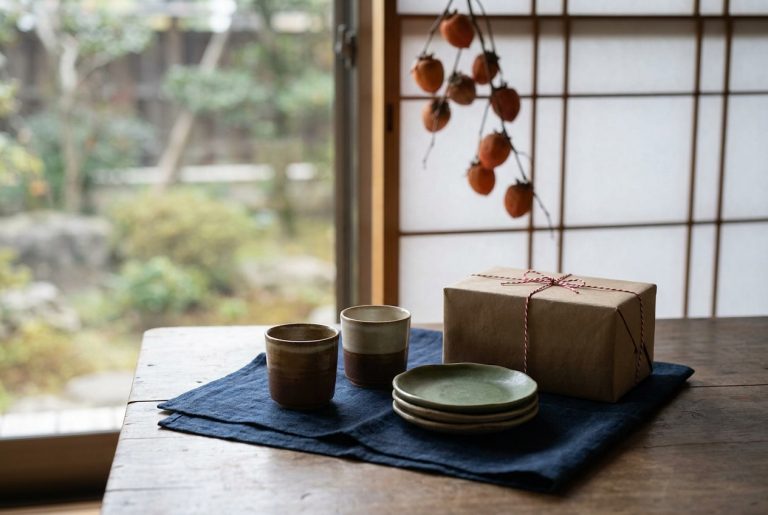
  • A pair of handleless Japanese teacups and small plates on an indigo cloth beside a paper-wrapped gift tied with red-and-white cord
    Tableware

    Japanese Tableware & Tea Gifts: What to Give, and Why the Number Matters

    ByMitsuru Kobayashi August 8, 2026October 13, 2026

    Walk into a tableware shop in Japan and count the dishes. Small plates come boxed in fives. Teacups come in pairs. You will look for a long time before you find a set of four, and once you know why, you cannot unsee it: shi (四) is four, and shi (死) is death. That is…

    Read More Japanese Tableware & Tea Gifts: What to Give, and Why the Number MattersContinue

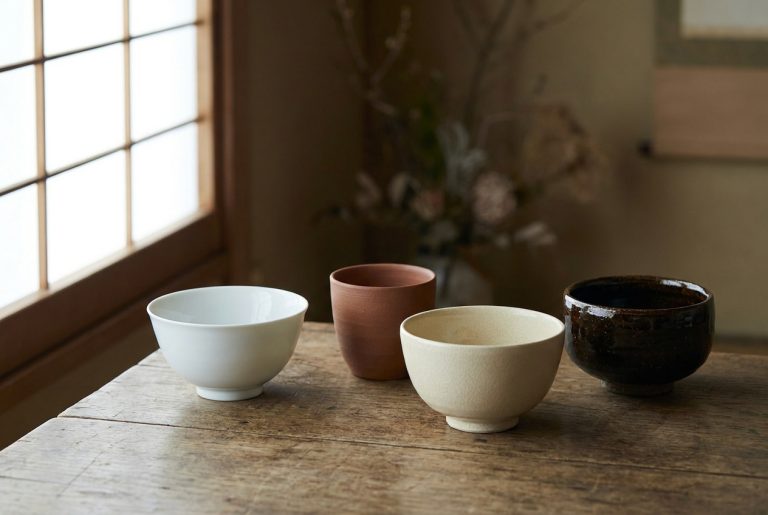
  • Four Japanese vessels with different clay bodies on a wooden table: glossy white porcelain, unglazed red stoneware, a pale crazed glaze and a thick dark glaze
    Tableware

    Japanese Pottery Styles Explained: How to Tell Arita, Mino, Hagi and Bizen Apart

    ByMitsuru Kobayashi August 8, 2026September 16, 2026

    A shop listing says “Mino ware” and stops, as if the name has answered something. It hasn’t. What a regional name actually encodes is two physical facts — what the clay is made of, and how hot it was fired — and those two facts decide almost everything you will care about later: how heavy…

    Read More Japanese Pottery Styles Explained: How to Tell Arita, Mino, Hagi and Bizen ApartContinue

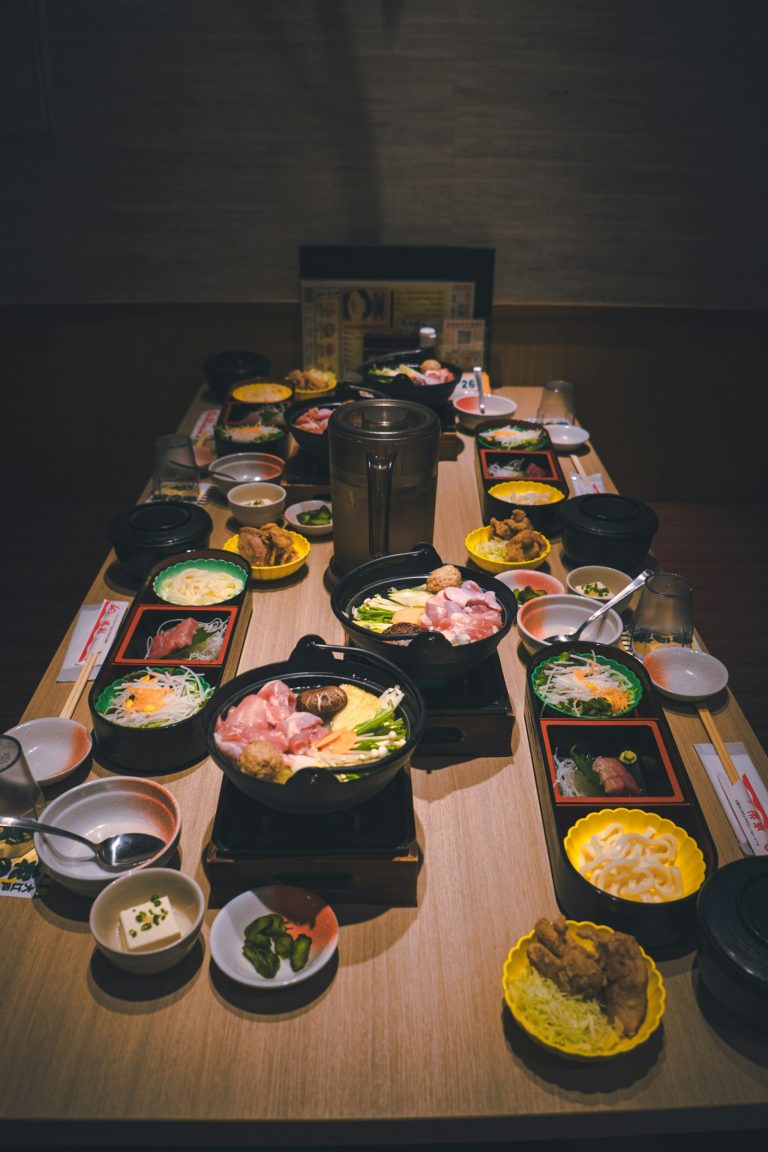
  • A Japanese table set with many small dishes
    Tableware

    Seasonal Japanese Table Setting: A Year at the Table

    ByMitsuru Kobayashi August 7, 2026September 30, 2026

    How the Japanese table changes through the year: spring pastels, summer glass, autumn earth tones, winter warmth — and how to do it with a few pieces.

    Read More Seasonal Japanese Table Setting: A Year at the TableContinue

Page navigation

Previous PagePrevious 1 … 4 5 6 7 8 Next PageNext
  • Privacy Policy
  • Contact
  • Disclosure
  • About

© 2026 Nagori Ware - WordPress Theme by Kadence WP

  • Bowls
  • Tea
  • Tableware