The Best Japanese Dinnerware Sets: How to Build a Table
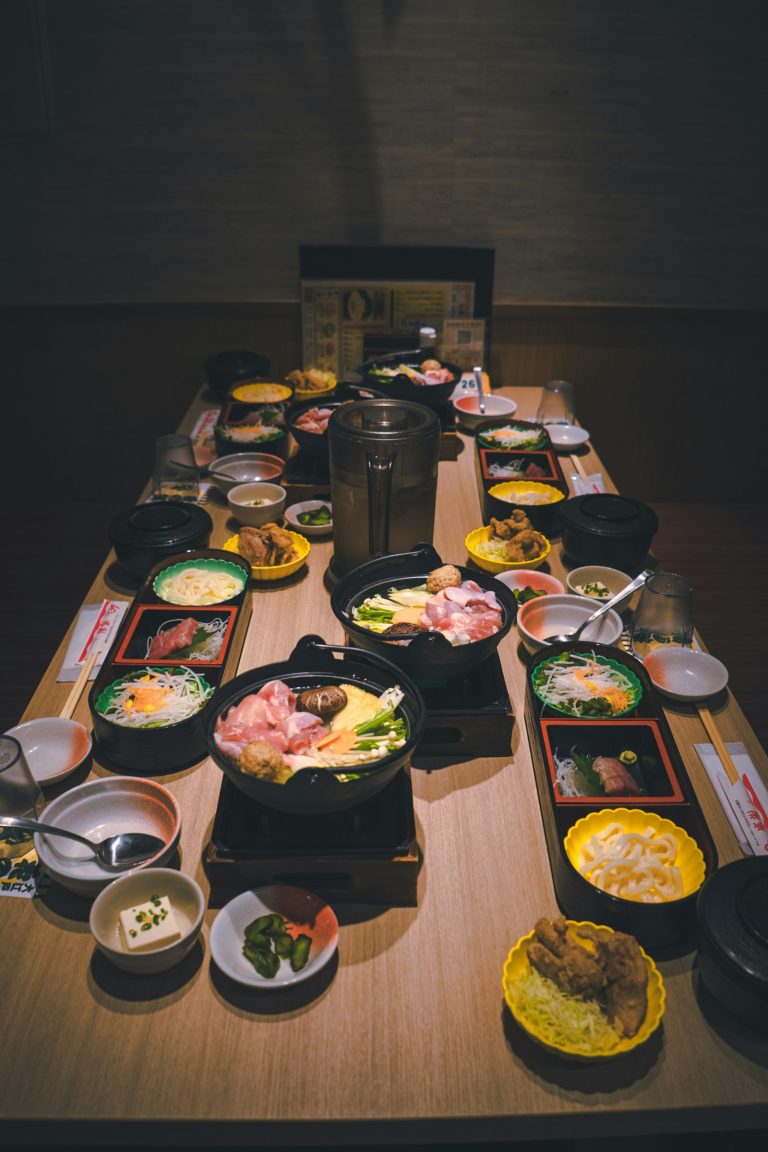
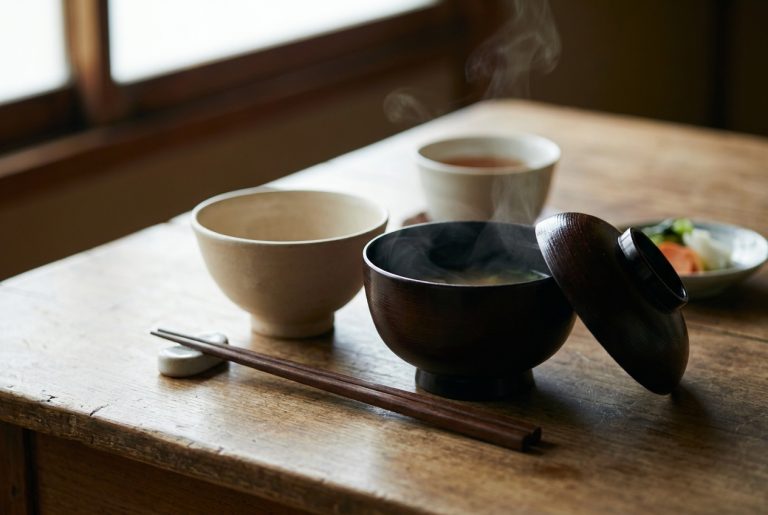
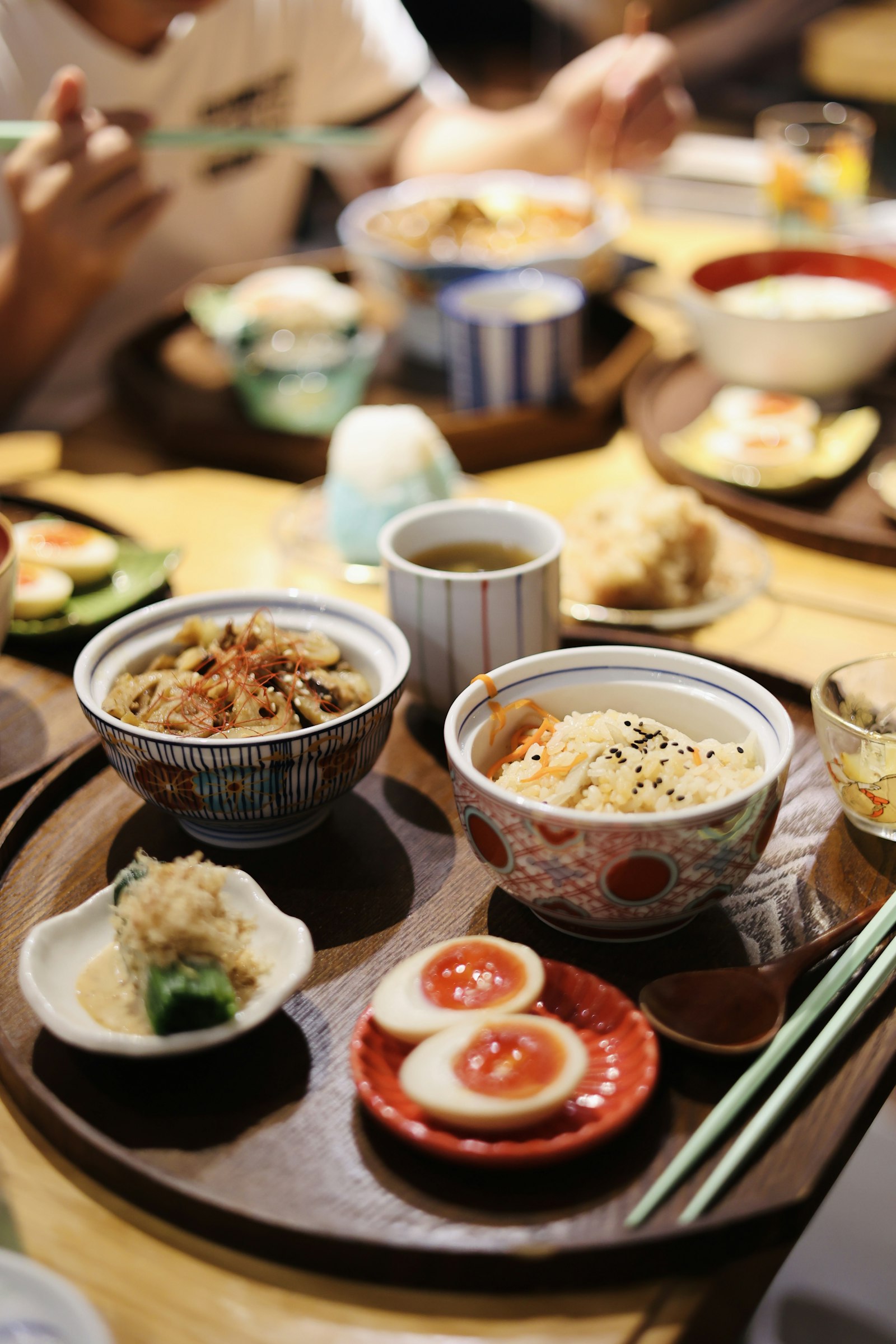
A Japanese table is not a matched set. Where a Western dinner service repeats one pattern across twelve identical plates, a Japanese table is assembled — a rice bowl here, a small dish there, a medium plate that happens to sit well beside them. The pleasure is in the harmony of things that do not match but belong together. That is also the good news for a buyer: you build the table piece by piece, and it only gets better.
This guide explains what a Japanese place setting actually needs, how to mix without clashing, which wares make the best everyday sets, and where to start.
What a Japanese place setting includes
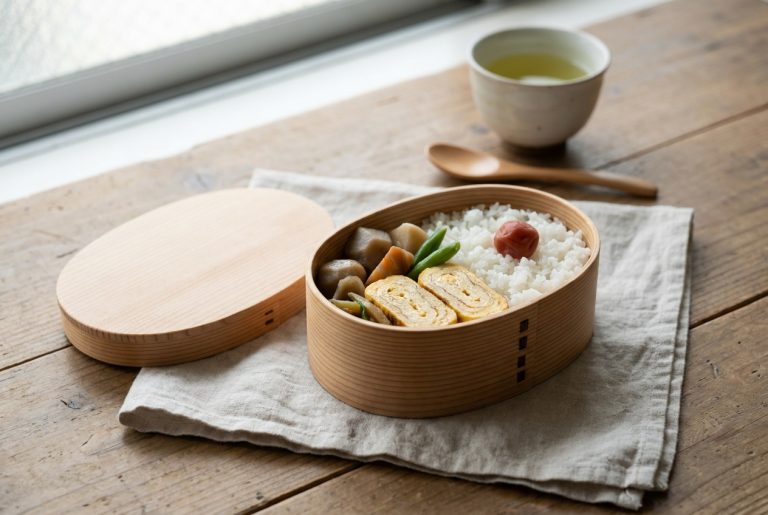
A typical setting for one person is a small collection rather than a single plate:
- A rice bowl (chawan) — small, held in the hand.
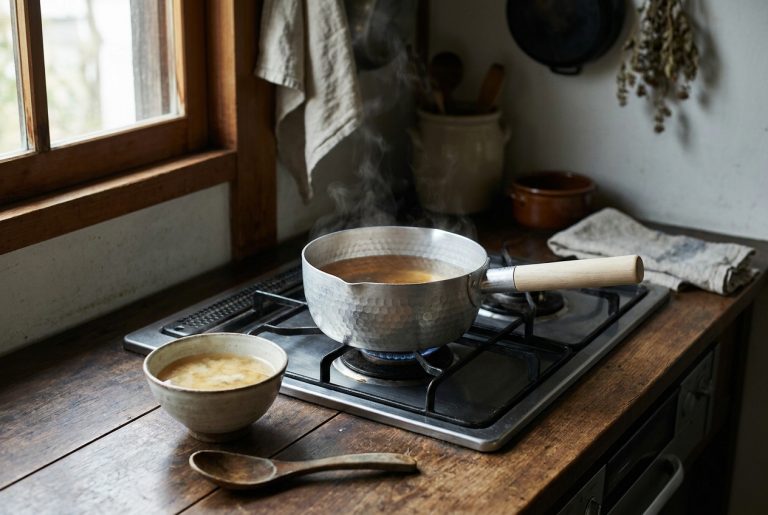
- A soup bowl — often lacquer for miso, sometimes ceramic.
- A medium plate (chūzara) for a main such as grilled fish.
- Two or three small dishes (kozara) and tiny ones (mamezara) for pickles, sauces and sides.
- A pair of chopsticks and a rest (hashioki).
This is the logic of ichijū-sansai — “one soup, three sides” — the everyday balance of a Japanese meal, and the reason variety beats a single large plate.
How to mix without clashing
- Hold one thing constant. Share a color (indigo and white), a material (all porcelain), or a maker/region, and let shapes vary freely.
- Vary size and use, not everything at once. A collected look still needs a thread.
- Buy in twos, not twelves. Pairs let you grow the table and replace a broken piece without hunting a discontinued set.
- Start neutral. White and blue-and-white porcelain flatter almost any food and any other piece you add later.
The wares that make the best everyday sets
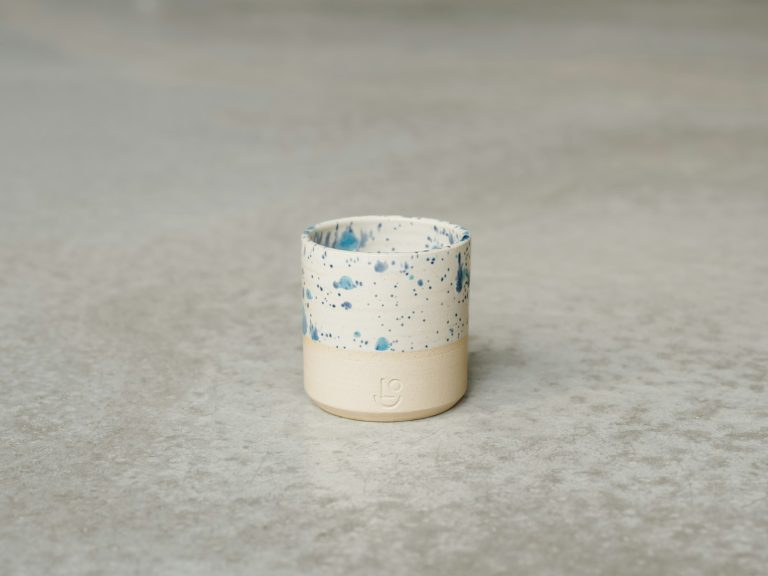
Hasami ware (波佐見焼, Nagasaki) is the people’s porcelain — durable, stackable, modern, and the best value for a first set. Mino ware (美濃焼, Gifu) is Japan’s largest pottery region and offers everything from clean porcelain to earthy glazes, so a mixed Mino table still feels of a piece. Arita ware (有田焼, Saga) is the dressier, finely painted choice for guests and gifts. Choose porcelain for durability and the dishwasher; add stoneware pieces for warmth as your table matures.
Comparison at a glance
| Pick (by need) | Ware / Material | Feel | Care | Typical price* |
|---|---|---|---|---|
| Best everyday value set | Hasami, porcelain | Stackable, modern, durable | Dishwasher-safe | $$ |
| Best mix-and-match base | Mino, porcelain & stoneware | Varied but harmonious | Mixed care | $$ |
| Best for guests / gifts | Arita, porcelain | Refined, painted | Dishwasher-safe | $$$ |
| Best small-dish set | Porcelain kozara/mamezara | Sides, pickles, sauces | Dishwasher-safe | $ |
| Best soup bowls | Lacquer or ceramic | Warm, traditional | Lacquer hand-wash | $$ |
Buy this, not that
Buy six pieces for one person in a neutral Hasami porcelain — rice bowl, soup bowl, medium plate, two or three small dishes — and buy them in twos. Don’t buy a twelve-piece matched service: a Japanese table is assembled rather than repeated, and the day one plate breaks you are hunting a discontinued pattern instead of simply buying another pair. Keep the finely painted Arita for guests; it is the wrong thing to stack every night.
Our picks
Where to buy: for authentic, Japan-shipped pieces we point you to specialist shops rather than generic marketplaces. Purchase and payment complete on their site.
1. The everyday Hasami set. Stackable porcelain in a calm glaze — rice bowls, plates and small dishes you will use daily and never tire of. The best first set.
2. The mix-and-match Mino base. A handful of Mino pieces that vary in shape but share a mood — the foundation of a collected table.
3. The Arita set for guests. Finely painted porcelain to bring out when you have company, or to give as a wedding gift.
4. The small-dish set. A group of kozara and mamezara — the pieces that make a simple meal look like ichijū-sansai.
5. The soup bowls. Lacquer or ceramic bowls for miso and clear soups — the warm counterpoint to porcelain plates.
Caring for a mixed table
- Porcelain plates and bowls are dishwasher-safe; keep metallic or gold-painted pieces out of the microwave.
- Lacquer soup bowls are hand-wash only — no soaking, no dishwasher, no abrasive sponges.
- Stoneware pieces prefer hand-washing and dislike thermal shock.
- Stack porcelain with a soft cloth or felt between pieces to protect glazes and painted rims.
Frequently asked questions
Do Japanese dinnerware sets match like Western ones?
Traditionally no. A Japanese table mixes varied dishes tied together by color, material or region. Matched sets exist, but the collected look is the norm — and easier to grow.
What should I buy first?
Rice bowls, a few small plates and a couple of medium plates, in a neutral porcelain like Hasami. Add soup bowls and special pieces over time.
How many pieces do I need per person?
A practical setting is a rice bowl, a soup bowl, a medium plate and two or three small dishes. Build in pairs so the table can grow.
Porcelain or stoneware for a set?
Start with porcelain for durability and dishwasher ease; add stoneware pieces for warmth and character as your table develops.
About this guide
Nagori Ware is an independent guide to Japanese tableware and tea. We research materials, regions and makers so you can buy once and buy well. We do not sell products; we point you to the specialist shops that make and stock them, and may earn a referral fee if you buy.
Disclosure: Nagori Ware is an independent editorial guide written from Japan. Some links elsewhere on the site are affiliate links. Parts of this site are drafted with AI assistance and checked against Japanese sources. General information, not legal or safety advice.