The Best Japanese Rice Bowls: A Buyer’s Guide by Ware and Use
There is a quiet logic to a Japanese rice bowl. It is sized to be cradled in one hand, lifted toward the mouth, and set down again a hundred times a meal. Choose the right one and it disappears into the ritual of eating; choose the wrong one and you feel it every time — too heavy, too wide, too cold in the hand.
This guide is about choosing well. We will cover the size and shape that matter, the difference between porcelain and pottery, and the regional wares — Hasami, Mino, Arita, Shigaraki — that give each bowl its character. Then a shortlist, organized by how you actually eat.
A note on words: in Japanese, a rice bowl is a chawan (茶碗) — the same word used for a matcha tea bowl. One character, two vessels, both meant to be held. That doubleness is the whole spirit of the Japanese table, and of this site.

Standard rice bowl size, and what makes a Japanese one different
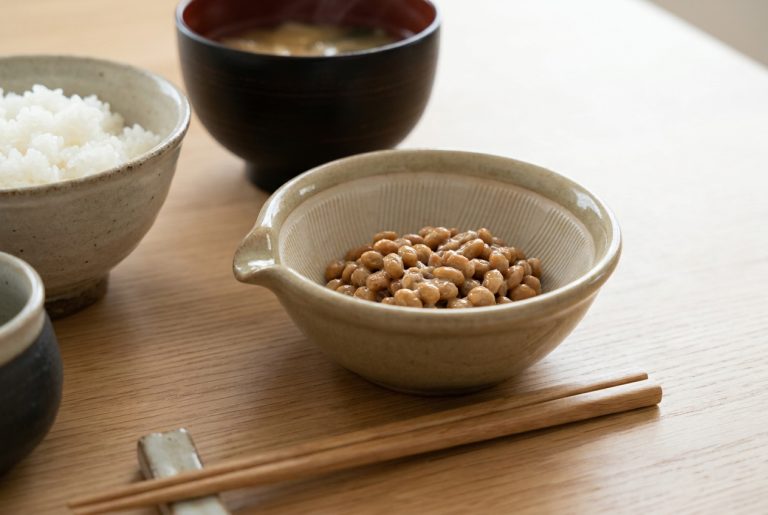
Set a Japanese rice bowl next to a Western cereal bowl and the differences are physical before they are visual — it is smaller, it stands on a turned foot, and it is built to be lifted.
Size. A standard adult rice bowl is roughly 11–12 cm (4.3–4.7 in) across the rim and holds about 250–350 ml. It is deliberately small — rice is served in modest portions, refilled rather than heaped. A child or a woman bowl often runs a centimeter smaller; a large donburi bowl for rice-topped dishes is a different vessel entirely.
Foot and balance. The bowl sits on a turned foot ring (kodai) that keeps the hot base off your palm and the table. A good bowl balances on the fingertips of one hand — that is the test.
Material. This is the real decision, so it gets its own section.
Porcelain or stoneware: which family your rice bowl belongs to
Japanese bowls fall into two broad families, and knowing which you want narrows the field instantly.
Porcelain (jiki 磁器) is fired from refined stone-clay to a hard, white, slightly translucent body. It is smooth, lightweight, chip-resistant, and easy to clean; painted patterns sit crisply on the white ground. Arita and much of Hasami ware are porcelain. Choose porcelain if you want durability, dishwasher tolerance, and a clean, graphic look.
Pottery / stoneware (tōki 陶器) is fired from coarser clay to an earthier, heavier, often glazed-but-textured body. It shows the maker hand and the kiln accidents — Mino, Shigaraki, Bizen, Mashiko. It can be more porous and asks for gentler care. Choose pottery if you want warmth, weight, and a bowl that feels made rather than manufactured.
Neither is better. A weeknight household leans porcelain; a slow, tactile table leans pottery.
The regional wares, briefly
You do not need to memorize these, but recognizing the names helps you shop with intent.
- Hasami ware (波佐見焼, Nagasaki) — the people porcelain. Durable, stackable, everyday, and often modern in design. The best value entry point.
- Mino ware (美濃焼, Gifu) — Japan largest pottery region; enormously varied, from rustic Oribe greens to plain earthy glazes. If a bowl is just a nice Japanese bowl, it is often Mino.
- Arita / Imari ware (有田焼, Saga) — Japan first porcelain, refined and finely painted. Dressier, gift-worthy, heirloom.
- Shigaraki & Bizen — unglazed or ash-glazed stoneware with deep texture. Characterful, heavier, for people who love the raw material.
How to choose, in one minute
- Who is it for? Match the diameter to the hand — 11–12 cm standard, ~10.5 cm smaller.
- How will you wash it? Daily + dishwasher → porcelain (Hasami, Arita). Hand-wash, slow meals → pottery (Mino, Shigaraki).
- What is the table mood? Clean and graphic → porcelain patterns. Want a glaze with a slight tooth under the thumb, one that holds the rice’s warmth a beat longer? Glazed stoneware.
- Buying more than one? Prefer stackable Hasami shapes; mix glazes within one ware for a collected-not-matched look.
Here is the shortlist, by how you actually eat:
Buy this, not that
Buy one bowl of 11–12 cm that fits your own hand, in porcelain if it will be washed daily. Don’t buy the 15 cm “rice bowl” sold to Western kitchens: at that width you cannot cradle it, and a bowl you cannot lift is a bowl you eat over rather than from. Don’t buy a matching set of six before you have lived with one — Japanese tables are deliberately unmatched, and you will want to change your mind. And if you are buying for a gift, buy a slightly smaller bowl rather than a larger one; the small one gets used.
Comparison at a glance
| Pick (by need) | Ware / Material | Feel | Care | Typical price* |
|---|---|---|---|---|
| Best everyday value | Hasami, porcelain | Light, crisp, stackable | Dishwasher-safe | $ ($15–30) |
| Best all-rounder | Mino, glazed stoneware | Warm, balanced | Hand-wash preferred | $$ ($30–60) |
| Best for gifts / heirloom | Arita, porcelain | Refined, painted | Dishwasher-safe | $$$ ($60+) |
| Best for texture lovers | Shigaraki/Bizen, stoneware | Heavy, raw, tactile | Hand-wash, season it | $$$ ($60+) |
| Best small / lighter bowl | Hasami or Mino | One-hand easy | Varies | $ ($15–30) |
Our picks
Where to buy: for authentic, Japan-shipped pieces we point you to specialist shops rather than generic marketplaces. Purchase and payment complete on their site.
1. The everyday Hasami bowl. Light porcelain, a shape that stacks, a glaze you will not tire of. This is the one you buy four of and use every day.
2. The all-rounder Mino bowl. Glazed stoneware with just enough texture to feel handmade, still easy to live with. The safest single choice if you are buying one bowl.
3. The gift-worthy Arita bowl. Fine painting on a bright white body — the bowl you give, or keep for guests.
4. The character bowl (Shigaraki/Bizen). Unglazed or ash-glazed, heavier, unmistakably itself. For the person who already loves the material.
5. The lighter / smaller bowl. A centimeter down and noticeably easier in the hand — good for smaller portions or smaller hands.
(Convenience option: many of these ware types are also available online if you need fast domestic shipping, though selection of true artisan pieces is narrower.)
Caring for your bowl so it lasts
- Porcelain is forgiving: dishwasher-safe, though hand-washing preserves painted overglaze longer.
- Unglazed stoneware (Bizen, some Shigaraki) should be rinsed and, before first use, sometimes seasoned by soaking or a rice-water simmer to reduce staining. Hand-wash only.
- Avoid sudden temperature shocks (freezer to boiling) with any ceramic.
- A little discoloration in stoneware over years is not damage — it is nagori, the trace of use. That is the point.
Frequently asked questions
Is a Japanese rice bowl the same as a donburi bowl?
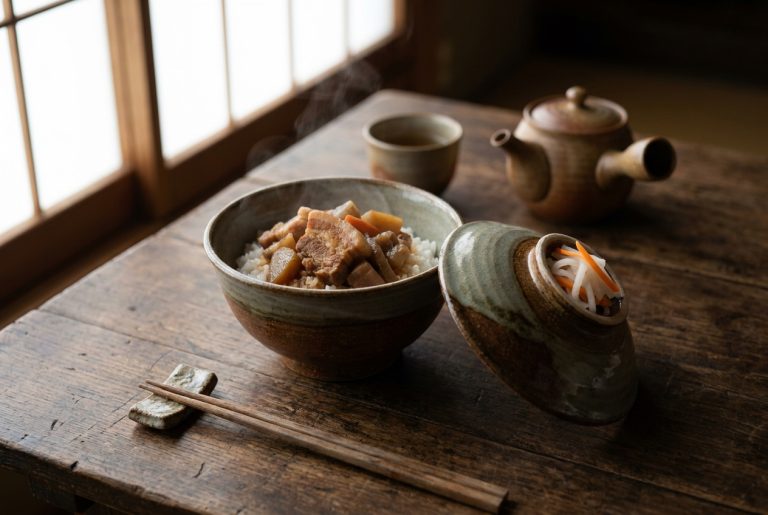
No. A rice bowl (chawan) is small, ~11–12 cm, for plain rice. A donburi is larger and deeper, for rice topped with meat, egg or tempura. Many people own both.
Can I use a Japanese rice bowl for cereal or soup?
You can, but it is small for Western cereal portions. For miso soup, a lidded lacquer or lighter bowl is traditional; a rice bowl works in a pinch.
Porcelain or pottery for a first bowl?
Porcelain (Hasami) if you want easy, durable, everyday. Pottery (Mino) if you want warmth and do not mind hand-washing.
Are these dishwasher and microwave safe?
Most glazed porcelain and stoneware are dishwasher-safe; unglazed stoneware and any piece with metallic/gold painting are not. Check the maker note.
About this guide
Nagori Ware is an independent guide to Japanese tableware and tea. We research materials, regions and makers so you can buy once and buy well. We do not sell products; we point you to the specialist shops that make and stock them, and may earn a referral fee if you buy.
Disclosure: Nagori Ware is an independent editorial guide written from Japan. Some links elsewhere on the site are affiliate links. Parts of this site are drafted with AI assistance and checked against Japanese sources. General information, not legal or safety advice.