How to Brew Sencha vs Gyokuro: Temperature, Time & Technique
Sencha and gyokuro come from the same plant, yet they ask to be brewed almost oppositely. The single biggest lever is water temperature: sencha likes a warm 70–80°C, while gyokuro wants a surprisingly cool 50–60°C. Get that one number right and both teas taste sweet and full instead of thin or bitter. Here’s why, and exactly how to brew each.
Why temperature decides the flavor
Green tea’s taste is a tug-of-war between two groups of compounds. Amino acids (chiefly L-theanine) give the sweet, savory umami character, and they dissolve readily even in cooler water. Catechins and caffeine give bitterness and astringency, and they need hotter water to come out. So cooler water favors sweetness and body; hotter water favors briskness and edge.
That’s the whole logic behind Japanese brewing. A shaded, umami-rich tea like gyokuro is brewed cool to protect its sweetness. A brighter everyday tea like sencha is brewed a little warmer for balance. A roasted tea like hojicha is brewed near boiling because there’s little bitterness left to pull out.
How to brew sencha
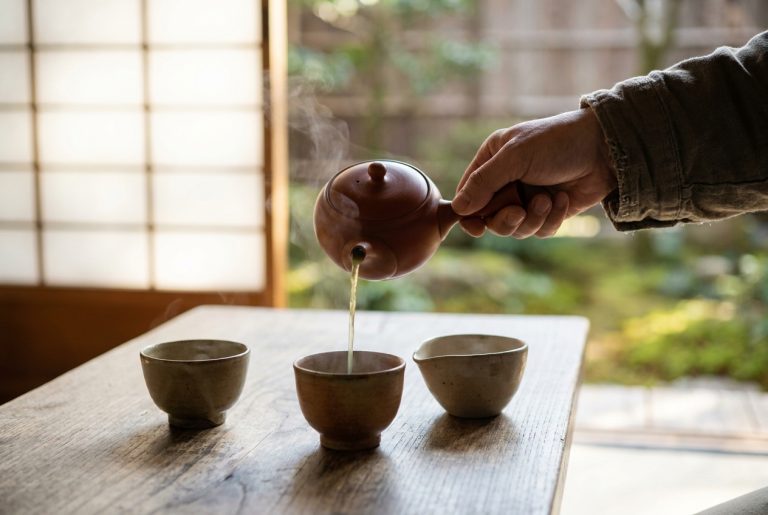
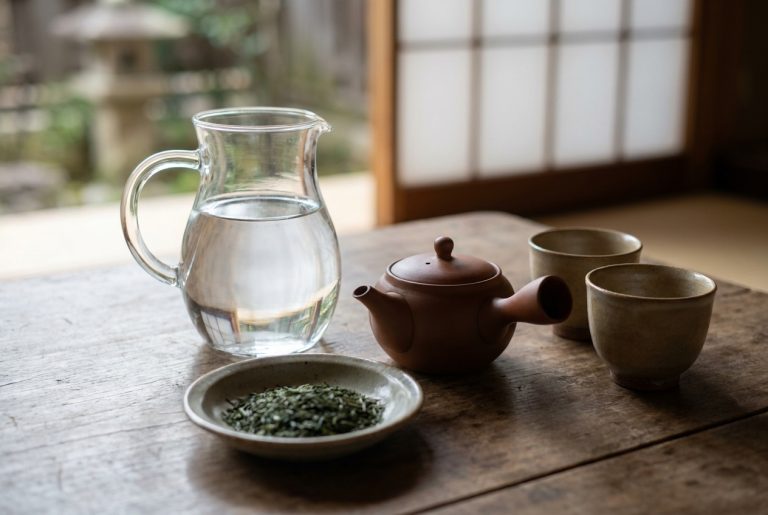
Sencha is the everyday green tea of Japan, and it rewards a moderate hand. Use about 1 teaspoon (2–3 g) of leaf per cup, water at 70–80°C, and steep for 60–90 seconds. If you don’t have a thermometer, boil the water and let it sit for 3–4 minutes, or pour it once between two vessels to shed heat. Pour off every last drop so the leaves aren’t left stewing, and they’ll be ready for a second, faster infusion.
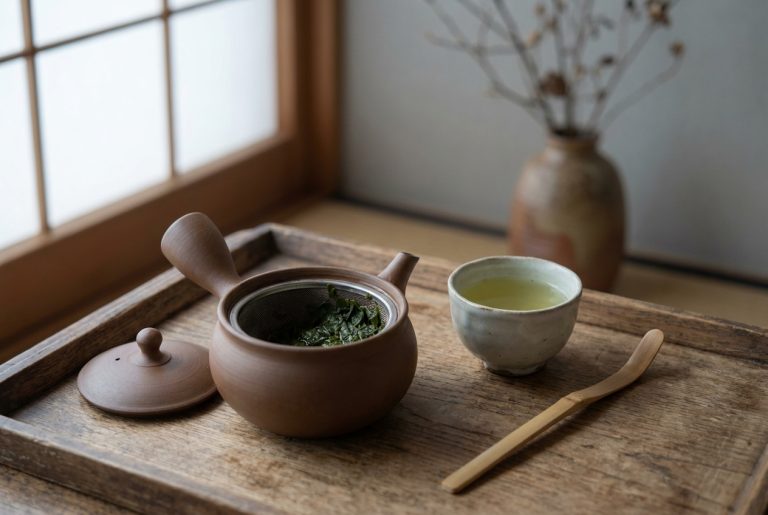
A small side-handled teapot makes this easy — see our guide to Japanese teapots (kyusu) — and sencha is traditionally served in a yunomi teacup.
How to brew gyokuro
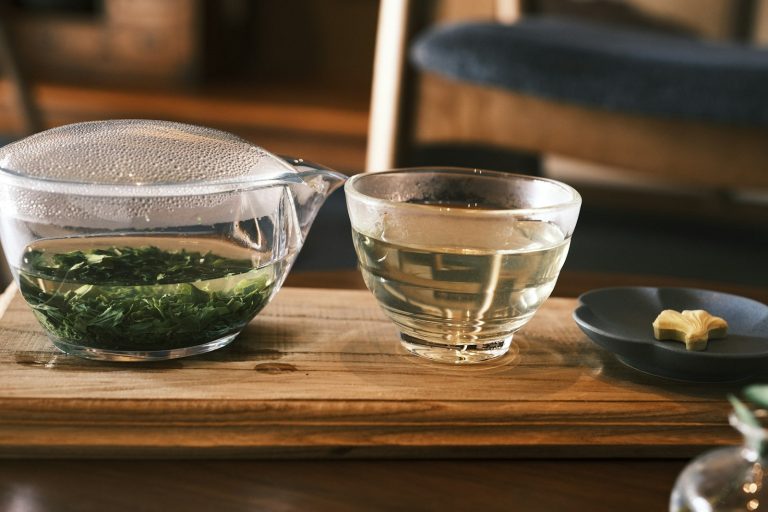
Gyokuro is grown in shade for weeks before harvest, which pushes up its theanine and gives it a thick, almost broth-like sweetness. To taste that, you brew it cool and slow. Use a more generous amount of leaf (about 3–4 g per small serving), water at just 50–60°C (premium gyokuro can go as low as 40–50°C), and steep for 2–2.5 minutes. The pour is tiny and intense — a few sips of concentrated umami rather than a full mug.
If the water is too hot, gyokuro turns bitter and its delicate sweetness vanishes, which is the most common mistake beginners make. Cool the water deliberately: boiling water poured through a cup or two loses roughly 10°C each transfer.
Quick brewing reference
| Tea | Water temp | Steep time | Character |
|---|---|---|---|
| Gyokuro | 50–60°C | 2–2.5 min | Intense sweet umami |
| Sencha | 70–80°C | 60–90 sec | Balanced, fresh, grassy |
| Genmaicha | 80–90°C | 30–60 sec | Toasty, nutty rice notes |
| Hojicha | 90–100°C | ~30 sec | Roasted, mellow, low caffeine |
| Bancha | 90–100°C | ~30 sec | Light, brisk, everyday |
As a rule of thumb: the more refined and shaded the tea, the cooler the water; the more roasted or coarse the tea, the hotter. Our complete guide to Japanese tea covers each type in more depth.
Getting a second and third cup
Good Japanese leaf is made to be re-steeped. After the first infusion, add water a touch hotter and steep for a shorter time — often just 10–20 seconds for the second cup. Sencha commonly gives three good infusions, and even gyokuro opens up across two or three. The flavor shifts each time, from sweet and full toward brighter and cleaner.
Frequently asked questions
Why is my green tea bitter?
Almost always the water was too hot, or the steep ran too long. Drop the temperature (70–80°C for sencha, cooler for gyokuro) and shorten the time. Using too much leaf for too little water does it too.
Do I really need a thermometer?
It helps at first, but you can eyeball it. Boiled water left 3–4 minutes lands near 80°C; poured once more between cups it drops toward 60–70°C. After a few brews you’ll judge it by feel.
Can I brew gyokuro like sencha?
You can, but you’ll waste it — hot water pulls out bitterness and flattens the sweetness that makes gyokuro special. Brew it cool and treat it as a small, concentrated pour.
What about matcha?
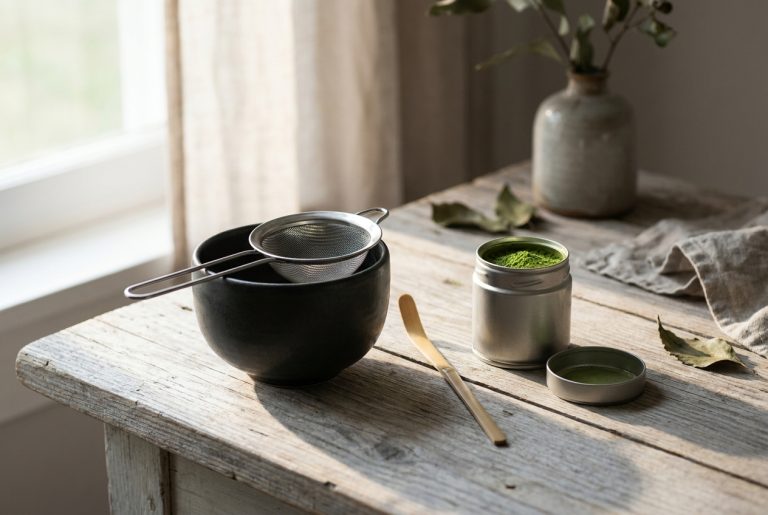
Matcha isn’t steeped at all — it’s whisked into water at around 70–80°C. See our beginner matcha set guide for tools and method.
Can you re-steep the leaves?
Yes — both sencha and gyokuro give rewarding second and third infusions, which is part of the pleasure of leaf tea. For the second steep, use slightly hotter water and a much shorter time (often just a few seconds), since the leaves are already open and give up their flavor quickly. Gyokuro in particular rewards patience on the first infusion and speed on the later ones. If a cup comes out sharp or grassy, your water was probably too hot; if it tastes thin, the leaf-to-water ratio was likely too low rather than the steep being too short.
Related guides
- Japanese Tea Guide — the whole world of Japanese green tea.
- Best Japanese Teapots (Kyusu) — the pot that makes brewing easy.
- Yunomi: Everyday Japanese Teacups — the cup for daily tea.
- Best Matcha Sets for Beginners — if you want to explore matcha next.
Disclosure: Nagori Ware is an independent editorial guide written from Japan. Some links elsewhere on the site are affiliate links. Parts of this site are drafted with AI assistance and checked against Japanese sources. General information, not legal or safety advice.