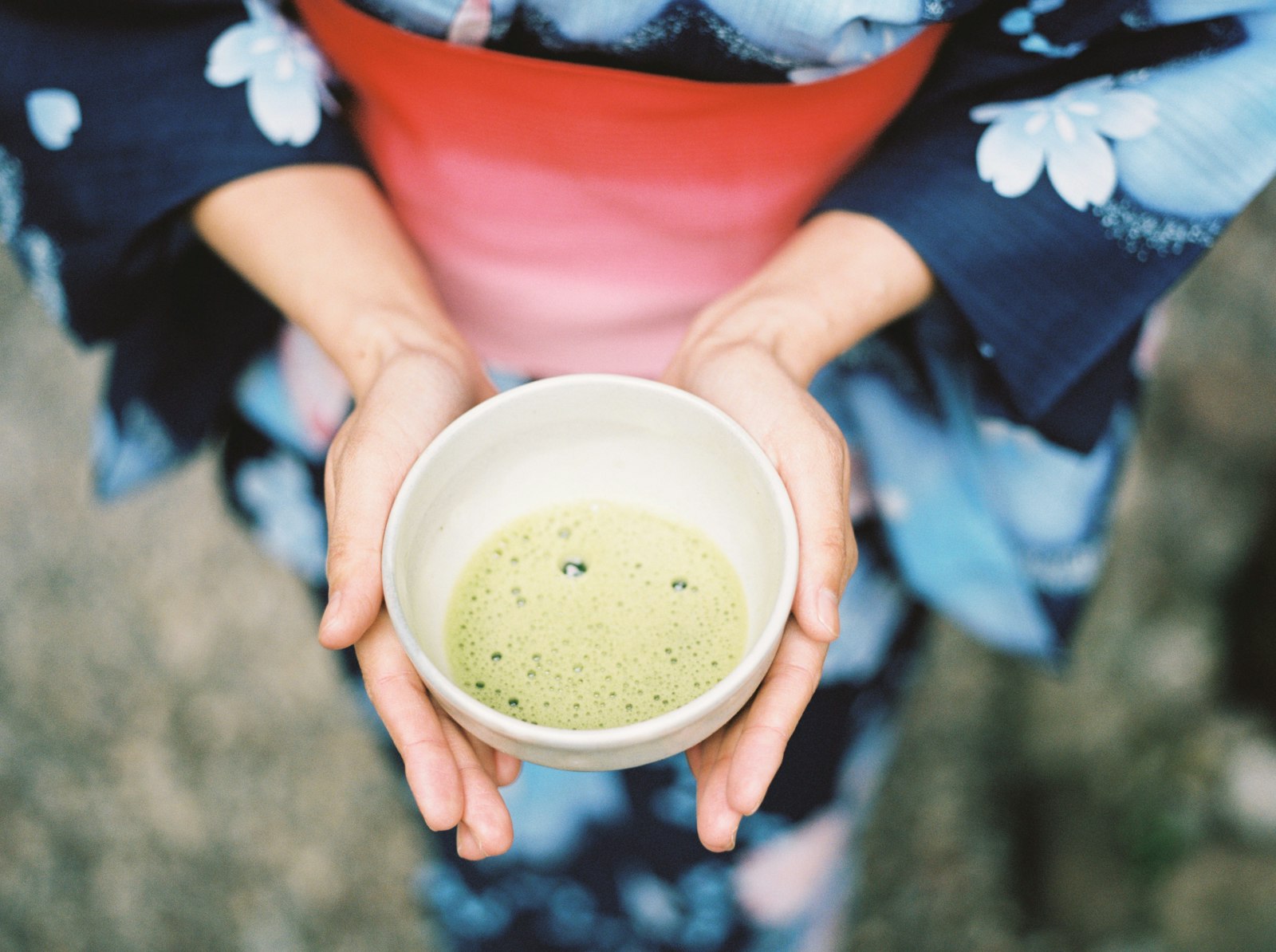
Yunomi: The Everyday Japanese Teacup (and How to Choose One)
There is a cup in almost every Japanese home that no one thinks about and everyone uses. It has no handle, it fits the curve of two hands, and it appears the moment a guest sits down. This is the yunomi (湯呑) — the everyday teacup — and for most people in Japan it is the vessel green tea actually lives in.
If the matcha bowl is for ceremony and the tiny guinomi is for sake, the yunomi is for Tuesday afternoon. It is the least formal and most used piece of Japanese teaware, which is exactly why choosing a good one matters. This guide covers what a yunomi is, how it differs from the other cups you’ll see, and how to pick the right size, material, and shape for the tea you actually drink.
What is a yunomi?
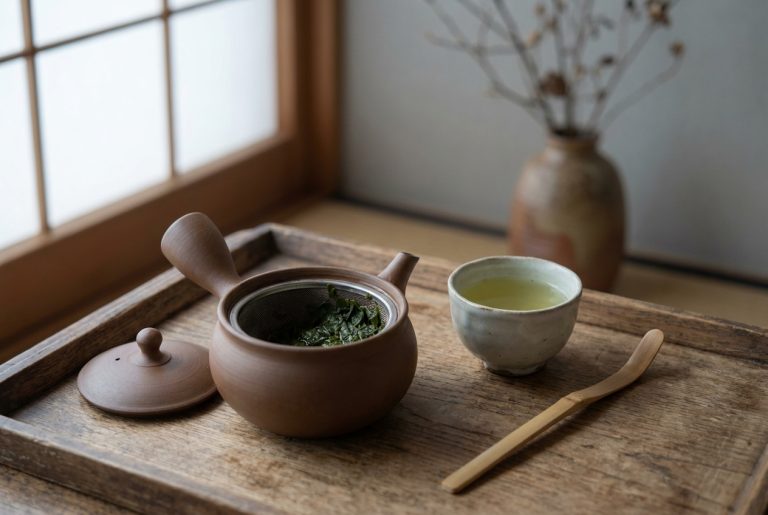
A yunomi is a tall, handleless Japanese teacup for daily, informal tea. The name literally combines yu (hot water) and nomi (to drink). Its height is the giveaway: where a matcha bowl (chawan) is wide and open, a yunomi is taller than it is wide, so the tea keeps its heat and aroma and the cup sits comfortably in the palm.
It helps to place it among its relatives on the Japanese table:
- Yunomi — everyday teacup, taller than wide, no handle, for sencha, bancha, hojicha and other daily green teas.
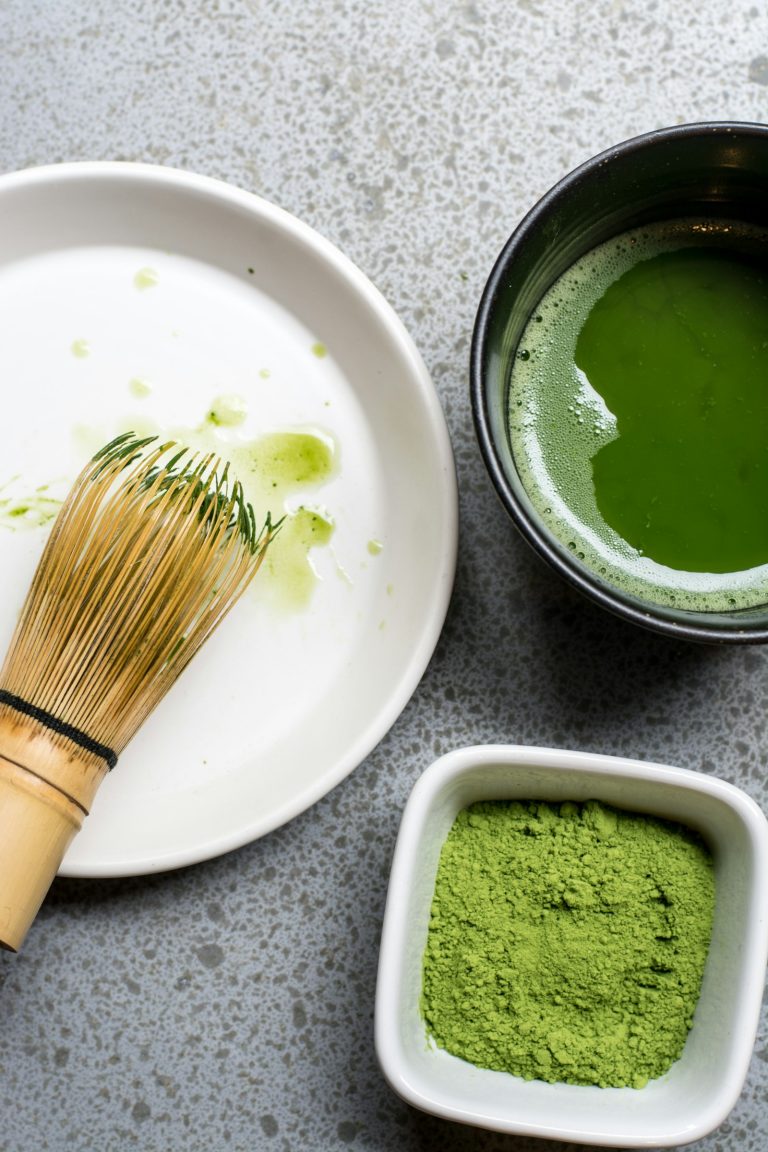
- Chawan — a wide, open bowl for whisked matcha; a different object with a different job (see our guide to matcha bowls).
- Guinomi / ochoko — much smaller cups, for sake rather than tea.
- Meoto yunomi — a “married pair” of cups, traditionally a slightly larger one and a smaller one, often given as a wedding or housewarming gift.
A more formal cousin, the kumidashi, is a shallower, wider cup used to serve guests; the everyday yunomi is the tall version you keep for yourself.
Why there is no handle — and what that tells you about the tea
This is the question people actually arrive with, and the answer is not aesthetic. A yunomi has no handle because Japanese green tea is not served at a temperature that needs one. Sencha is brewed at 70–80°C and reaches the cup lower than that; gyokuro is poured at around 50–60°C. At those temperatures a ceramic cup is warm in the hand, not painful. The handle solves a problem Japanese tea does not have.
Which gives the bare cup a job. If the yunomi is too hot to pick up, the tea inside it is too hot to drink — you have found that out through your fingers instead of your lip. Japanese tea sellers describe the handleless cup exactly this way: you hold it to judge the temperature. The cup is the gauge, and it reads before the first sip rather than after.
The foot ring is part of the same system. A taller kodai lifts the hottest part of the cup clear of your palm, which is why you can cradle the base of a good yunomi with one hand while the wall is still too warm to grip. It is not decoration, and a cup with a shallow, token foot will feel hotter than its capacity suggests.
The European handle, incidentally, is the newer idea. It was added in the eighteenth century, for tea drunk close to boiling and in much larger volumes — a different drink in a different vessel, solved differently.
The practical consequence is the part worth acting on. If what you drink is near-boiling hojicha or bancha, or black tea by the half-litre, a thin porcelain yunomi will punish you, and no amount of authenticity will fix that: buy the thicker stoneware wall, or buy a mug and stop pretending. The handleless cup is calibrated for tea in the 50–80°C range. Brew outside that range and you are asking it to do a job it was never shaped for.
How to choose a yunomi
Three things decide whether a yunomi becomes the cup you reach for or the one that stays in the cupboard: size, material, and shape. None of them is about price.
1. Size
Everyday yunomi generally hold roughly 90–160 ml (about 3–5.5 oz) — smaller than a Western mug on purpose. The size tracks the tea:
- Smaller (about 90–120 ml): better for higher-grade, more concentrated green teas like a good sencha or gyokuro, where you pour a little and refill.
- Larger (about 130–160 ml): better for casual, everyday teas such as bancha and roasted hojicha, which you drink in more generous amounts.
If you mostly drink one large mug of tea while you work, a yunomi will feel small — and that is the point. It encourages a fresh, hot pour rather than a lukewarm cup that sits for an hour.
2. Material
Yunomi are made in the full range of Japanese ceramics, and the material changes how the cup feels and how hot it runs in the hand:
- Porcelain (jiki): smooth, bright, and non-porous. It shows the true color of the tea and wipes clean easily. It also conducts heat, so a full cup can feel hot to hold.
- Stoneware / pottery (toki): thicker and more insulating, so it stays comfortable in the hand and keeps tea warm longer. Glazes range from glassy to matte.
- Unglazed or partially glazed clay (e.g. Tokoname, Bizen): prized by tea drinkers for a warm, tactile surface; some say the clay subtly rounds the tea. These need a little more care (see below).
Weight and wall thickness matter as much as the named ware. A thin porcelain rim delivers tea crisply; a thick stoneware wall feels grounding and forgiving. Pick up a cup, imagine it full, and ask whether it will be pleasant to hold.
3. Shape and rim
Shape is where personal fit comes in. A gently flared rim cools the first sip and sends aroma toward you; a straighter, cylindrical wall holds heat and feels sturdy. A defined foot ring (kodai) keeps the hot base off your table and off your fingertips. Run a finger around the rim — it should feel smooth and even, because that edge is what your lip meets every time.
Regional wares worth knowing
You do not need to memorize Japan’s kiln towns, but a few names come up constantly and each has a recognizable character:
- Hasami ware (Nagasaki) — clean, practical porcelain and stoneware; approachable and everyday.
- Mino ware (Gifu) — Japan’s largest ceramics region; enormous variety, from glassy glazes to rustic textures.
- Tokoname ware (Aichi) — famous for reddish shudei clay, better known for teapots but also made into warm, unglazed cups.
- Arita / Imari ware (Saga) — fine, painted porcelain; the more decorative, gift-worthy end.
- Bizen ware (Okayama) — unglazed, wood-fired stoneware with earthy, one-of-a-kind surfaces.
Yunomi at a glance
| Choose by need | Material | How it feels | Care | Typical price* |
|---|---|---|---|---|
| Shows tea color, easy to clean | Porcelain | Smooth, runs hot when full | Dishwasher usually fine | $ – check current price |
| Keeps tea warm, easy in the hand | Glazed stoneware | Thicker, insulating | Hand wash recommended | $ – $$ – check current price |
| Tactile, characterful daily cup | Unglazed clay (Tokoname/Bizen) | Warm, earthy surface | Rinse, no soap, dry well | $$ – check current price |
| Gift / pair for a couple | Painted porcelain or matched set (meoto) | Decorative, presentation-ready | Follow maker note | $$ – $$$ – check current price |
*Prices vary by maker, size, and finish. Always confirm the current price and specifications on the retailer’s own page.
Which yunomi should you buy?
If you want one honest everyday cup: a mid-weight glazed stoneware yunomi around 130 ml is the safest first buy. It holds heat, forgives a knock, and suits almost any Japanese green tea.
If you drink good sencha or gyokuro: go smaller — a 90–120 ml porcelain or thin stoneware cup — so you pour little, taste clearly, and refill often.
If you love the object as much as the tea: an unglazed Tokoname or Bizen cup rewards daily handling and ages beautifully.
If it’s a gift: a meoto pair or a painted Arita cup presents well and carries the meaning of “something to keep.” You can browse authentic yunomi and matched sets at specialist Japanese tableware shops rather than generic marketplaces, where origin and material are usually described honestly.
Buy this, not that
Buy one mid-weight glazed stoneware yunomi of about 130 ml and drink from it for a month before you buy a second. Don’t start with a matched set of five — five cups is a guest purchase, and most households serve guests a handful of times a year. And if this is your daily cup, skip gold or metallic rims: they rule out the microwave, and the trim is the first thing to wear.
Caring for a yunomi
- Glazed porcelain and stoneware are easy: rinse or wash normally. Check the maker’s note before putting decorated or gold-rimmed cups in a dishwasher, as detergent and heat can dull painted decoration over time.
- Unglazed clay cups (Tokoname, Bizen) should be rinsed with hot water and dried thoroughly; avoid soap, which the porous surface can absorb and then release into your tea.
- Everyday habits: let a very hot cup cool a moment before adding cold water, empty and dry cups rather than leaving tea sitting in them, and store them where rims won’t chip.
Frequently asked questions
What is the difference between a yunomi and a chawan?
A yunomi is a tall, handleless cup for everyday steeped green tea. A chawan is a wide, open bowl for whisked matcha. Same table, different jobs — you drink from a yunomi and whisk in a chawan.
Why don’t yunomi have handles?
Because the cup is meant to be small and the tea served at a hand-friendly temperature. Holding the cup itself tells you whether the tea is ready to drink, and the warmth in the palms is part of the experience.
What size yunomi should I get?
For a versatile daily cup, aim for roughly 120–140 ml. Go smaller (around 90–120 ml) for high-grade sencha and gyokuro you sip and refill; larger (up to ~160 ml) for casual bancha and hojicha.
Can I use a yunomi for coffee or other drinks?
Yes. A sturdy stoneware yunomi works for hojicha lattes, barley tea, or a small coffee. Just match the size to how much you like to drink at once.
Are yunomi microwave and dishwasher safe?
Plain glazed porcelain and stoneware are usually both. Unglazed clay, gold or metallic decoration, and some hand-painted pieces are not — check the maker’s guidance before you assume.
About this guide. Nagori Ware is an independent guide to Japanese tableware and tea. We research materials, regions and makers so you can buy once and buy well. We do not sell products; we point you to the specialist shops that make and stock them, and may earn a referral fee if you buy.
Disclosure: Nagori Ware is an independent editorial guide written from Japan. Some links elsewhere on the site are affiliate links. Parts of this site are drafted with AI assistance and checked against Japanese sources. General information, not legal or safety advice.