Japanese Small Dishes: A Guide to Kobachi, Mamezara & Kozara
Open a cupboard in a Japanese home and you will usually find far more small dishes than large ones. Palm-sized plates and little bowls outnumber the dinner plates, often by a wide margin. To an outside eye this can look like clutter. In practice it is the opposite: these small vessels are what make a Japanese meal feel considered, seasonal, and unhurried.
This guide walks through the three families you will meet most often — mamezara (bean plates), kobachi (small bowls), and kozara (small plates) — what each is for, how to tell them apart, and how to start a collection that earns its shelf space.
Why the Japanese table leans on small dishes
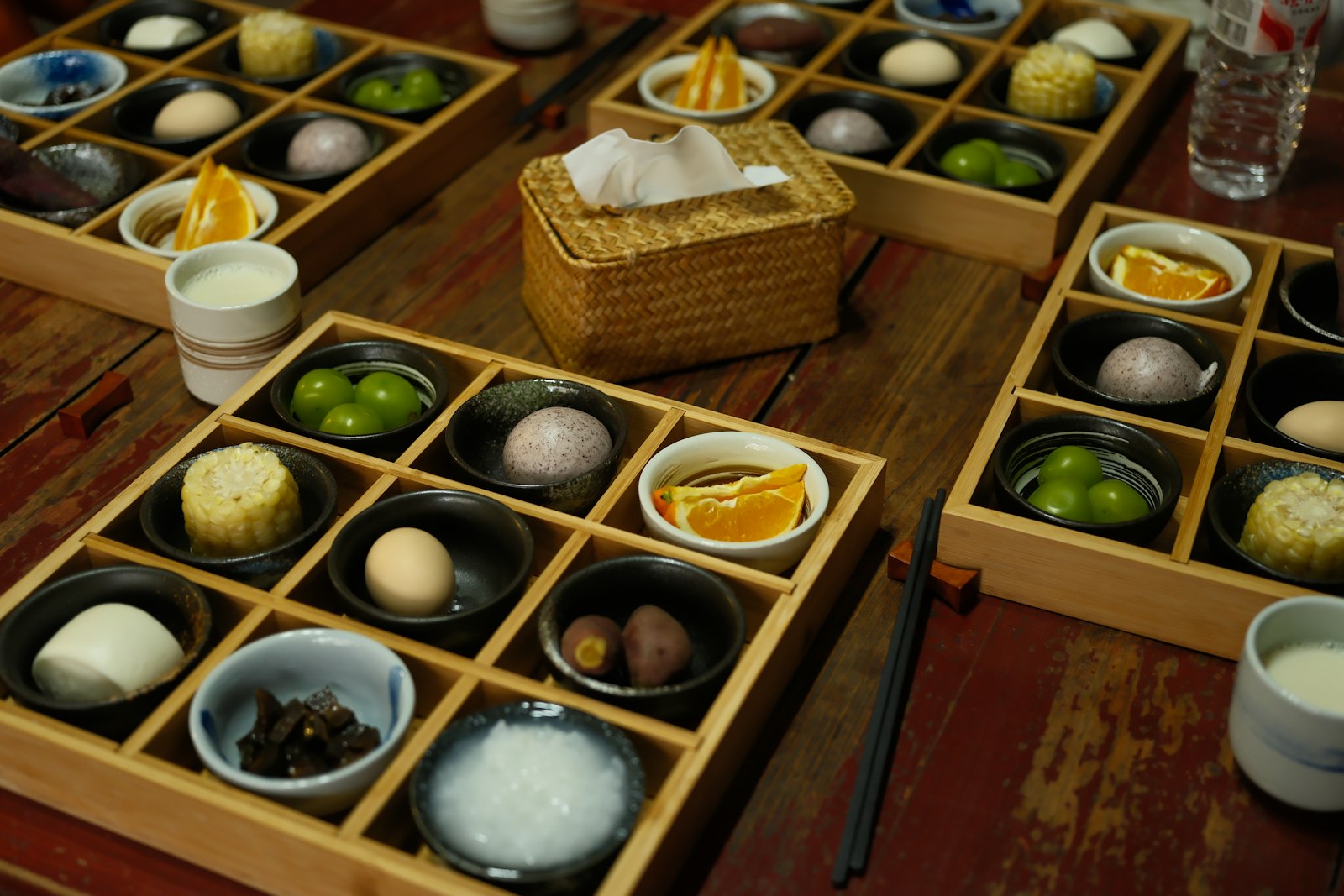
The logic starts with the structure of a traditional meal: ichijū-sansai, “one soup, three sides,” served alongside rice. Rather than piling everything onto one large plate, each dish gets its own vessel. A vinegared salad, a simmered vegetable, and a piece of grilled fish each arrive in something chosen to suit it. The result is a table of small, distinct moments instead of a single crowded plate.
Two practical benefits follow. Portions stay modest, because a 9-centimetre dish physically limits how much fits. And the table gains color and rhythm — a blue-and-white plate next to a matte grey bowl next to a tiny amber dish reads as intentional, seasonal, and quietly generous. Small dishes are also forgiving hosts: three or four of them can turn last night’s leftovers into a composed meal.
Mamezara: the “bean plate”
The name mamezara (豆皿) combines mame (bean) and zara (plate). The “bean” refers to the size, not the contents — these are the smallest plates on the Japanese table, roughly 6 to 9 centimetres across, small enough to sit in your palm.
Their everyday job is to hold the little things: a pool of soy sauce or dipping sauce, a pinch of grated ginger or wasabi, a few pickles, or a single sweet. Because they are inexpensive and endlessly varied — glazed in seasonal motifs, cut into fish, fans, or flowers — mamezara are also the piece most Japanese pottery lovers collect first. A single trip to a kiln town can send you home with a dozen, each different, none costing much. If you want one gateway into Japanese ceramics, this is it.
Kobachi: the small bowl
Kobachi (小鉢) means “small bowl.” Sizes range from tiny (under 5 cm) to a medium 15–18 cm, but what sets kobachi apart from the flat plates is depth. That deeper form is built for dishes that are dressed, marinated, or carry a little liquid.
Classic uses read like a menu of Japanese side dishes: sunomono (vinegared salad), aemono (vegetables or seafood in a dressing), nimono (simmered dishes), ohitashi (blanched greens), and chinmi (small delicacies). The shape travels well into a modern kitchen, too — the same bowl handles a scoop of yogurt, a crème caramel, a dip, or a few olives without looking out of place.
Kozara: the everyday small plate
Kozara (小皿) simply means “small plate,” typically flat and around 7 to 13 centimetres. It is the table’s utility player: a resting place for pickles, a grilled side, a mochi or a piece of wagashi, or a shallow pool of dipping sauce that would overflow a mamezara.
One close relative worth knowing is the torizara (取り皿), a slightly larger personal plate — usually 12 to 18 cm — used to take portions from shared dishes at the center of the table. If mamezara are about a single bite and kozara about a single side, torizara are about sharing.
Small dishes at a glance
| Vessel | Japanese | Typical size | Form | Best for |
|---|---|---|---|---|
| Mamezara | 豆皿 | 6–9 cm | Flat, tiny | Soy sauce, condiments, one bite, a single sweet |
| Kozara | 小皿 | 7–13 cm | Flat | Pickles, a side, dipping sauce |
| Kobachi | 小鉢 | 5–18 cm | Bowl (deeper) | Vinegared, dressed, and simmered sides |
| Torizara | 取り皿 | 12–18 cm | Flat | Personal plate for shared dishes |
How to start a collection
You do not need a matching set. Start with four or five kobachi you can mix freely, then add a handful of mamezara for contrast and small pops of color. Buying in odd numbers — threes and fives — is a quiet Japanese habit; asymmetry looks more natural on the table than perfect pairs.
You can commit to one material family (all porcelain, say) for a clean look, or deliberately let pieces clash. Japanese tables prize a certain unforced imperfection, so a hand-thrown grey bowl beside a crisp blue-and-white plate is a feature, not a mistake. Where possible, buy for the season: cool blues and glass for summer, warm browns and iron glazes for winter.
Reading a small dish: motifs, glazes, and season
Part of the pleasure of collecting is that a small dish often tells you when to use it. Japanese ceramics lean heavily on seasonal cues: cherry and plum blossoms for spring, morning glories or clear glass for the heat of summer, maple leaves and chestnuts for autumn, pine and camellia for winter. Pull the right dish for the month and an ordinary weeknight meal quietly acknowledges the season.
Glaze families are the other half of the vocabulary. Sometsuke (cobalt blue-and-white porcelain) is crisp and cooling; celadon reads calm and green; iron and tenmoku glazes are dark and wintry; kohiki white slip is soft and rustic; and Oribe’s copper green is bold and graphic. Once you can name a few, a cupboard of small dishes stops being a jumble and starts working like a calendar you can set the table with.
Caring for small dishes
Most glazed porcelain and stoneware is durable and generally dishwasher-safe, but a few pieces need a gentler hand. Plates decorated with gold or silver overglaze should be washed by hand, since dishwasher heat and detergent dull the metallic finish over time. Unglazed clay and any piece repaired with kintsugi should also be handwashed and never soaked. When in doubt, warm water and a soft sponge will keep a dish looking its best for decades.
Frequently asked questions
What is the difference between mamezara and kozara?
Size, mostly. Mamezara are the smallest plates, roughly 6–9 cm and palm-sized, used for a single condiment or bite. Kozara are a step up at around 7–13 cm and take on pickles, small sides, and sauces. The line is blurry, and shops use the terms loosely.
Can I use Japanese small dishes in a Western kitchen?
Easily. They make natural tapas and mezze plates, hold condiments and dips, corral spices while you cook, or serve as catch-alls for rings and keys. Their versatility is a large part of why collectors keep buying them.
How many do I actually need?
Four to six is plenty to start. That is enough to plate a couple of sides per person for a small dinner, with room to mix shapes and colors.
Are they microwave- and dishwasher-safe?
It depends on the piece. Plain glazed porcelain and stoneware usually handle both, but anything with gold or silver decoration should stay out of the microwave and dishwasher, and unglazed or repaired pieces should be handwashed. Check the maker’s guidance when you can.
Buy this, not that
Start with four or five kobachi around 9–12 cm and 30 mm deep, in glazes you are happy to mix — they are the pieces a plate you already own cannot replace, and roughly half of the Japanese side-dish repertoire is wet. Don’t start with a mamezara set. The tiny plates are the most photographed and the least used; five of them can sit in the cupboard for a year while you eat off one big plate. Buy those second, one at a time, because that is when they are fun. And for anything you plan to use on a weeknight, skip gold- and silver-rimmed pieces: they stay out of the microwave and the dishwasher for good.
Where to find authentic small dishes
The best small dishes come from Japan’s pottery regions — porcelain from Arita and Hasami, earthy stoneware from Mino and Shigaraki — and specialist Japanese tableware shops now ship these worldwide. Look for honest descriptions of the kiln, the glaze, and whether a piece is handmade, since those details explain the price and the character. For a wider view of how these small pieces fit alongside the rest of the table, see our Japanese tableware guide, our roundup of Japanese dinnerware sets, and our guide to the Japanese sake set.
Disclosure: Nagori Ware is an independent editorial guide written from Japan. Some links elsewhere on the site are affiliate links. Parts of this site are drafted with AI assistance and checked against Japanese sources. General information, not legal or safety advice.