Japanese Tea: A Complete Beginner’s Guide to Types, Brewing & Teaware
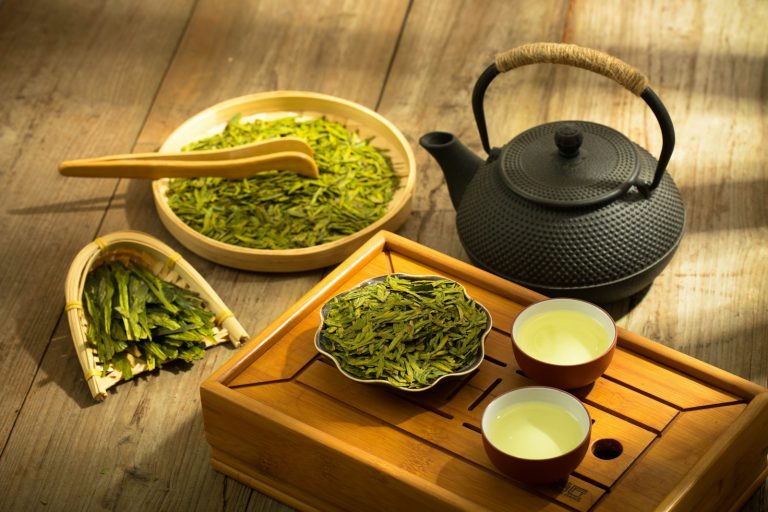
Japanese tea is a whole landscape hiding inside two familiar words. “Green tea” covers grassy everyday sencha, deep-umami gyokuro, whisked matcha, cozy roasted hojicha, and more — teas that taste worlds apart yet come from the same plant. If you are just starting to explore, the sheer number of names can be daunting. This guide is the map: what the main Japanese teas are, how they differ, the one brewing detail that matters most, and the teaware that helps you get the best from each cup.
Think of this as the hub. Where a tea or a piece of teaware deserves its own deep dive, we link out to a fuller guide so you can follow the threads that interest you.
One plant, many teas
Almost every Japanese tea comes from a single species, Camellia sinensis. What makes sencha taste nothing like hojicha is not the plant but the processing: how long the leaves are steamed, whether the bushes are shaded from sunlight, which part of the leaf is used, and whether the tea is later roasted. Japanese green teas are almost always steamed soon after picking (unlike Chinese greens, which are usually pan-fired), and that steaming locks in the fresh, vegetal character people associate with Japanese tea.
Two levers shape the rest. Shading the plants before harvest boosts the amino acid theanine, which reads on the tongue as sweetness and savory umami — this is the secret behind gyokuro and matcha. Roasting does the opposite, converting brisk catechins into mellow, toasty notes, as in hojicha. Once you know those two moves, the whole family starts to make sense.
The main Japanese teas
Sencha — the everyday tea
Sencha is the tea most people in Japan drink daily and the best place to begin. Grown in full sun and steamed, it is bright, grassy, and lightly sweet with a pleasant astringency. It is affordable, forgiving, and endlessly drinkable — the reference point against which the other teas make sense.
Gyokuro — the shaded premium
Gyokuro is often called the highest grade of Japanese green tea. The bushes are shaded for roughly three weeks before harvest, which raises theanine and lowers bitterness, producing a thick, sweet, intensely savory liquor unlike anything else in tea. It is brewed cool and slow, in small amounts, and treated as something to savor rather than gulp.
Matcha — the whisked powder
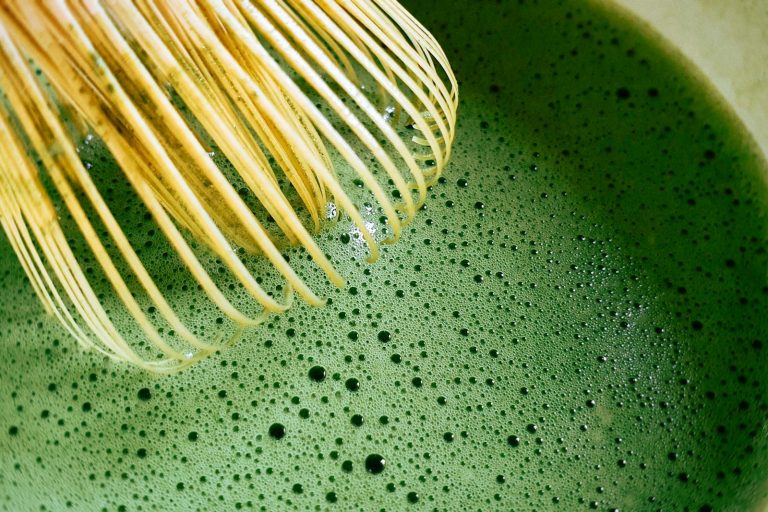
Matcha is shade-grown leaf (called tencha) that is dried and stone-ground into a fine powder. Instead of steeping and straining leaves, you whisk the powder directly into hot water, so you drink the whole leaf — which is why matcha is so vivid in both color and flavor. It sits at the heart of the tea ceremony and needs its own tools: a bamboo whisk and a wide bowl. We cover those in detail in our guides to matcha bowls (chawan) and beginner matcha sets.
Bancha — the mellow daily brew
Bancha is made from later harvests and coarser, more mature leaves and stems. That gives it a rounder, less delicate flavor and notably less caffeine than sencha — an easy, everyday tea that many families drink through the day and give to children and older relatives.
Hojicha — roasted and cozy
Hojicha is bancha or sencha roasted at high heat until it turns reddish-brown. Roasting drives off most of the astringency and much of the caffeine, leaving a warm, nutty, almost caramel-like cup that is gentle on the stomach and lovely in the evening. Its forgiving nature also makes it one of the easiest Japanese teas to brew well.
Genmaicha — green tea with roasted rice
Genmaicha blends sencha or bancha with roasted brown rice, some of which puffs like popcorn. The result is toasty and comforting, with a savory, grain-sweet aroma that makes it a favorite with food. Low in caffeine and very approachable, it is a friendly entry point for anyone who finds straight green tea too sharp.
Brewing temperature: the one thing that matters most
If you change only one habit, make it this: stop brewing Japanese green tea with boiling water. Delicate teas like sencha and gyokuro turn bitter when the water is too hot, because heat pulls out catechins (bitterness) faster than theanine (sweetness). Cooler water flips that balance and reveals the sweetness the leaf is capable of. Roasted teas are the exception — they welcome near-boiling water.
| Tea | Water temperature | Rough ratio | Steep time |
|---|---|---|---|
| Gyokuro | 50–60°C (120–140°F) | 5 g / 60 ml | ~2 minutes |
| Sencha (premium) | ~70°C (160°F) | 3–4 g / 120 ml | ~60 seconds |
| Sencha (everyday) | 75–80°C (167–176°F) | 3–4 g / 120 ml | ~45–60 seconds |
| Matcha | ~80°C (175°F) | 2 g / 60–70 ml | Whisk, no steep |
| Genmaicha / Bancha | ~85°C (185°F) | 3 g / 150 ml | ~30–60 seconds |
| Hojicha | 90–100°C (194–212°F) | 3 g / 150 ml | ~30 seconds |
No thermometer? Boiling water is 100°C. Pour it into an empty cup and each transfer between vessels drops the temperature by roughly 10°C, so pouring boiled water into a cup, then into your teapot, lands you near sencha temperature. For gyokuro, transfer twice.
The teaware that helps
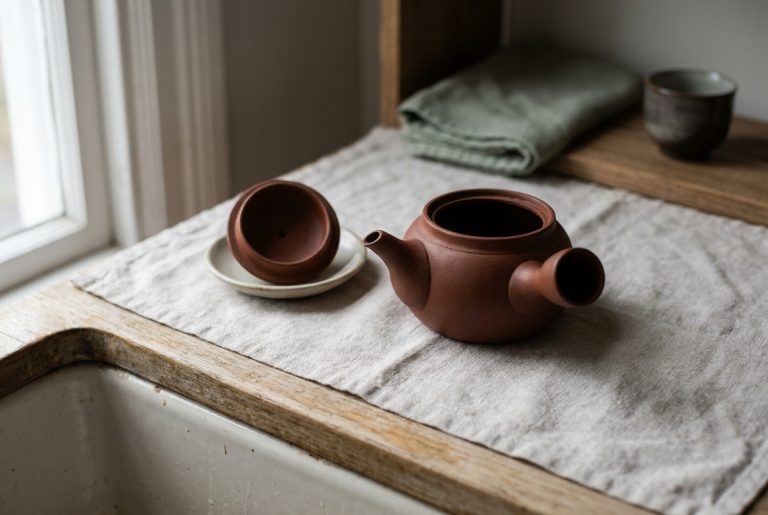
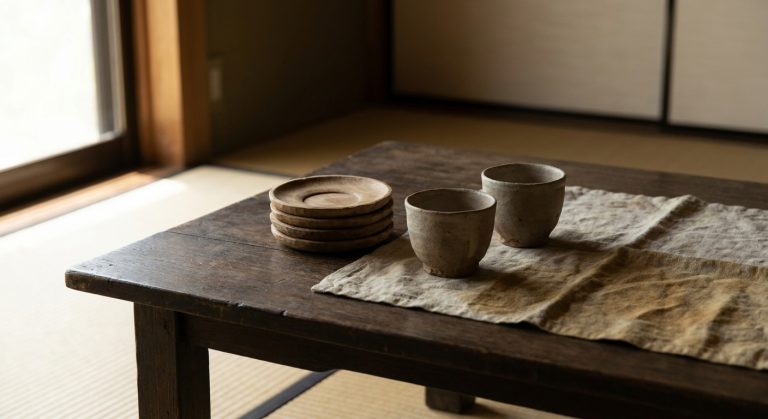
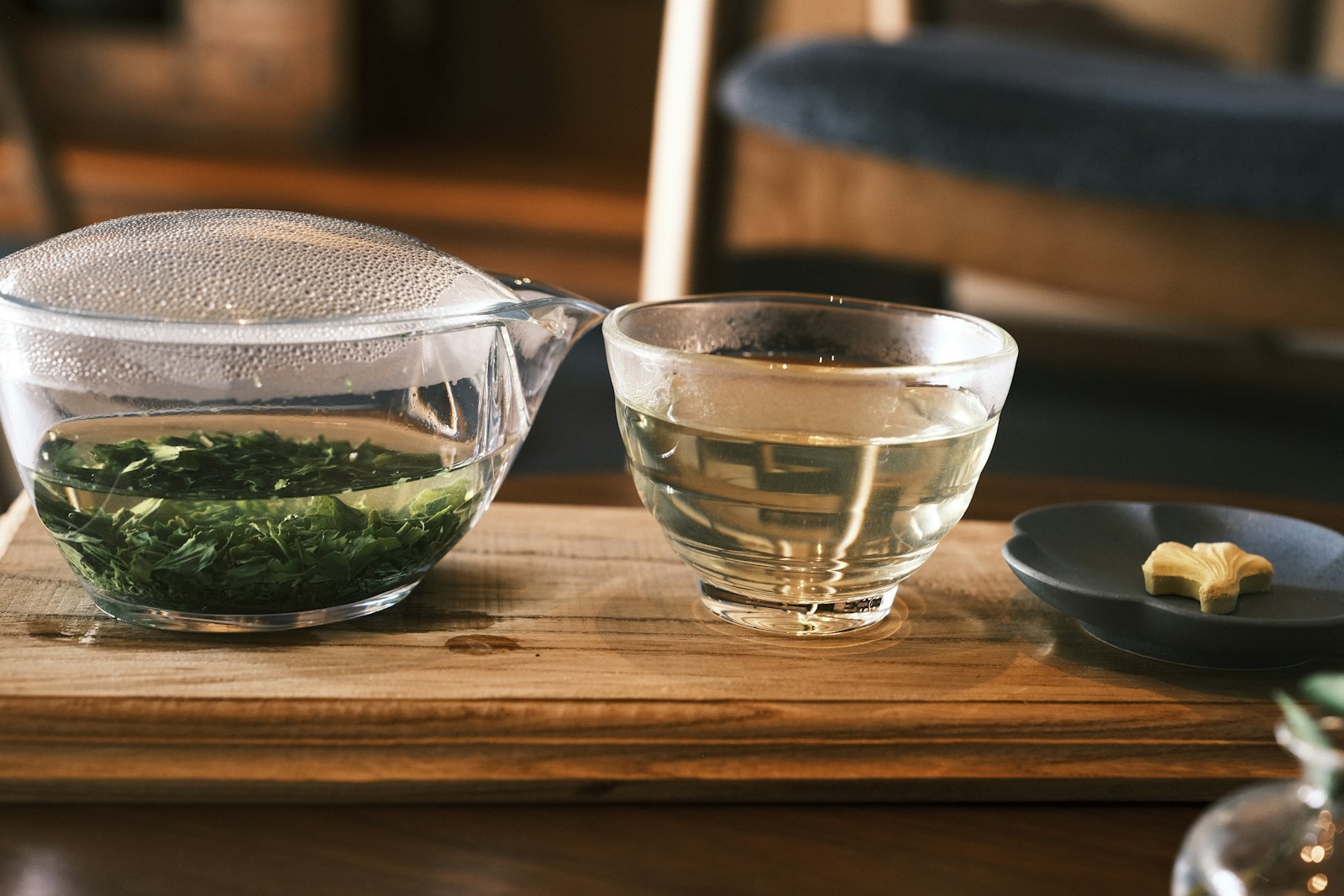
You do not need much, but the right pieces make a real difference. A kyusu — the classic Japanese side-handled teapot with a built-in mesh strainer — is the workhorse for sencha and bancha. A yunomi is the tall everyday teacup you actually drink from; we cover shapes and materials in our yunomi guide. For gyokuro, many people use a hōhin, a small handleless pot suited to tiny volumes of cool water. And matcha steps outside the leaf-and-strainer world entirely, needing a wide bowl and a bamboo whisk instead.
How to brew a good cup of sencha
- Boil fresh water, then let it cool to about 70–80°C — pour it into the empty cups first to cool it and warm them.
- Add about 3–4 grams of sencha (a rounded tablespoon) to your kyusu.
- Pour the cooled water over the leaves and steep for around 60 seconds.
- Pour into the cups in stages, alternating between them a little at a time, so every cup has the same strength — and pour out every last drop to avoid a bitter second cup.
- Good sencha gives two or three infusions; make later steeps hotter and shorter.
Caffeine, and when to drink what
As a rough guide, gyokuro and matcha carry the most caffeine (shading concentrates it), sencha sits in the middle, and bancha, hojicha, and genmaicha are the gentlest. A practical rhythm many tea drinkers follow: a brisk sencha or matcha in the morning, something lighter with lunch, and a roasted hojicha or genmaicha in the evening when you want warmth without the buzz.
Buying and storing Japanese tea
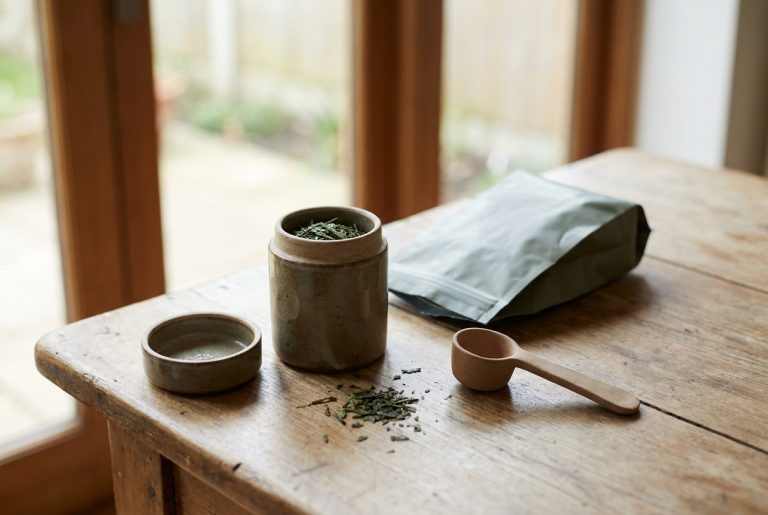
Freshness is everything with green tea. Buy from sellers who name the harvest and origin, and buy in amounts you will drink within a couple of months of opening. Tea’s enemies are air, light, heat, moisture, and strong odors, so keep it in an airtight, opaque container somewhere cool and dark — a traditional chazutsu (tea caddy) is made exactly for this. Matcha is the most fragile of all: keep it sealed and cool, and use it quickly once opened, since it fades fast.
Frequently asked questions
Which Japanese tea should a beginner start with?
Sencha is the natural starting point — it is affordable, widely available, and represents the classic Japanese green-tea flavor. If you find green tea too grassy, try genmaicha or hojicha, which are toasty, mild, and very forgiving to brew.
Why does my green tea taste bitter?
Almost always because the water was too hot or the tea steeped too long. Let boiled water cool to around 70–80°C for sencha, keep the steep near a minute, and pour out every drop. Cooler water is the single biggest fix.
Is matcha the same as regular green tea?
Not quite. Matcha is shade-grown leaf ground into powder and whisked into water, so you consume the whole leaf. Most other Japanese teas are loose leaves that you steep and strain. That difference is why matcha is more intense and needs its own bowl and whisk.
How long does Japanese tea stay fresh?
Sealed, most Japanese green teas keep for several months to a year, but they are best within a few months of opening. Store them airtight, away from light, heat, and moisture. Matcha is the exception — treat it as perishable and finish it quickly once opened.
Start here
Ready to go deeper? For the whisked side of Japanese tea, see our guides to matcha bowls (chawan) and beginner matcha sets. For everyday brewing, our yunomi teacup guide covers the cup you will reach for most. Buy a fresh sencha, brew it a little cooler than feels natural, and the whole world of Japanese tea opens up from there.
Disclosure: Nagori Ware is an independent editorial guide written from Japan. Some links elsewhere on the site are affiliate links. Parts of this site are drafted with AI assistance and checked against Japanese sources. General information, not legal or safety advice.