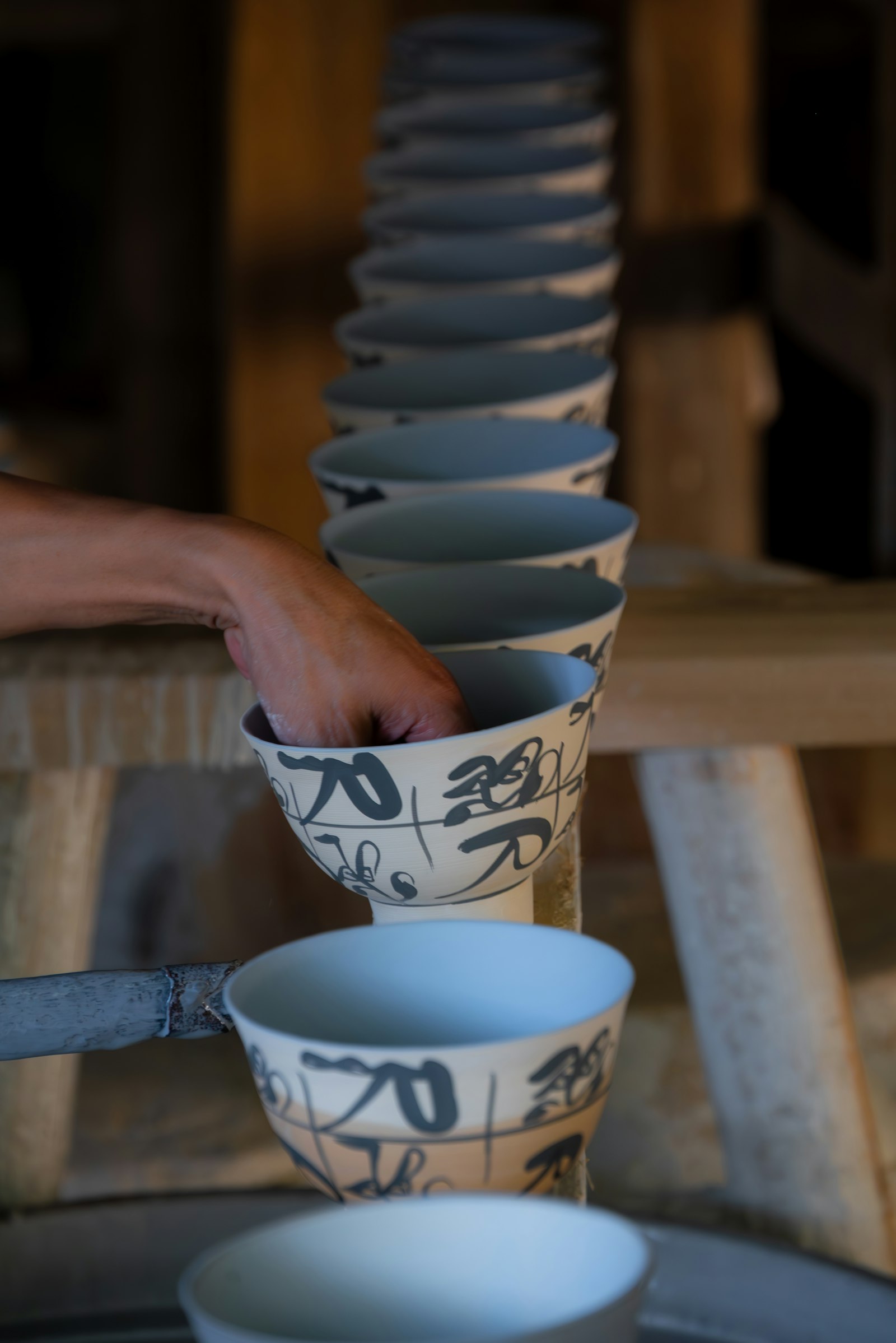
Are Japanese Bowls Microwave & Dishwasher Safe? A Simple Guide
The short answer: most Japanese porcelain bowls with no metallic decoration are microwave- and dishwasher-safe, while many earthenware and rustic stoneware bowls are not. Any bowl with a gold or silver rim should never go in the microwave, and hand-washing extends the life of almost everything. The rest of this guide shows you how to tell which kind you have and how to treat each one.
First, know what your bowl is made of
Whether a Japanese bowl can take a microwave or dishwasher comes down to one thing: how the clay was fired. Porcelain (jiki) is fired hot until it vitrifies into a dense, glassy, non-absorbent body — it shrugs off water and heat far better. Earthenware and much rustic stoneware (tōki / sekki) are fired cooler and stay slightly porous, so they drink up moisture and react badly to sudden or uneven heat.
A quick check: turn the bowl over and look at the unglazed ring on the base. Fine, white, almost glassy clay means porcelain (the more forgiving one). Coarse, earthy, matte clay means earthenware or stoneware — treat it gently. Our guide to caring for Japanese ceramics walks through this test in more detail.
Are Japanese bowls microwave safe?
Plain porcelain with no metal decoration is generally fine to microwave for reheating. Earthenware and highly absorbent stoneware are the risky ones: moisture trapped in the clay heats unevenly and can crack a bowl, sometimes without any warning. The danger is worse if the piece has been soaking or is stored damp.
The one hard rule is metal. A gold or silver rim, or any metallic painting, will spark and can damage both the bowl and your microwave. If a bowl has any shiny metallic trim, keep it out of the microwave entirely, regardless of what it’s made of.
When you genuinely don’t know what a bowl is, treat it as hand-warm only — reheat food in a plain microwave-safe dish and transfer it to the Japanese bowl to serve.
Are Japanese bowls dishwasher safe?
Sturdy, undecorated porcelain usually survives a dishwasher, but surviving isn’t the same as thriving. Most dishwasher damage is mechanical: bowls knock against the rack and each other, and it’s the rims and unglazed foot rings that chip first. The heat and strong detergent also dull glazes over time and fade hand-painted or gold decoration.
Two types really should be hand-washed: anything with gold/silver or hand-painted decoration, and any piece with unglazed clay (many rustic bowls and the bare interior of some vessels). Porous clay absorbs detergent and holds the taste, so it wants plain water and a soft sponge, not a detergent bath. For everything else, the dishwasher is a convenience that shortens the bowl’s life — hand-washing keeps a good bowl beautiful for far longer.
Buy this, not that
If a bowl has to survive daily reheating and a dishwasher, buy plain porcelain with no metallic decoration and no unglazed surfaces — the one combination that gets a yes in both columns above. Don’t buy the gold-rimmed bowl as an everyday piece, however good it looks in the photograph: it is barred from the microwave because metal sparks, and the dishwasher will fade the trim. Keep gold and hand-painting for the pieces you serve from and wash by hand, and let the plain porcelain take the weekday abuse.
The real enemy: sudden temperature changes
More bowls crack from thermal shock than from the microwave or dishwasher themselves. Pouring boiling soup into a cold bowl, or moving a hot bowl straight onto a cold stone counter, is what turns a hidden hairline into a real crack. Warm bowls gradually, let hot ones rest on a cloth or trivet, and don’t take a piece from freezer to oven. Most Japanese bowls are also not made for oven or stovetop use at all — the clear exception is donabe clay pots, which are built for direct heat.
Quick reference
| Bowl type | Microwave | Dishwasher |
|---|---|---|
| Porcelain, no decoration | Usually yes | Usually yes (hand-wash to last longer) |
| Porcelain with gold/silver trim | No (sparks) | No (fades) |
| Glazed stoneware | Often, if fully dry | Often; hand-wash preferred |
| Earthenware / rustic pottery | Risky — can crack | No — chips & absorbs detergent |
| Unglazed or partly unglazed | Case by case | No — soap taste lingers |
| Donabe (clay pot) | No | No — hand-wash only |
Frequently asked questions
Are ceramic ramen bowls microwave safe?
Most mass-produced porcelain ramen bowls are, as long as they have no metallic trim. Heavier rustic stoneware ramen bowls are safer reheated cautiously, or filled with already-hot broth rather than microwaved. See our picks in the best Japanese ramen bowls.
Are Japanese rice bowls dishwasher safe?
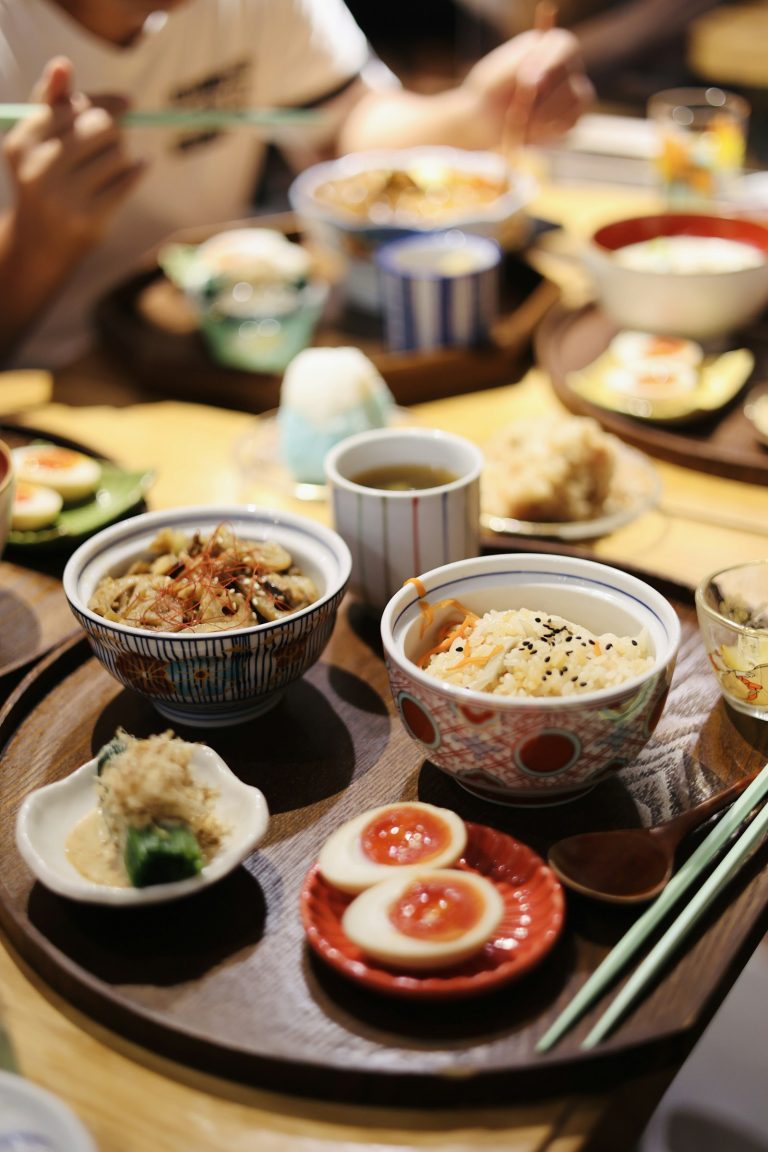
Simple glazed porcelain rice bowls generally handle the dishwasher, but hand-washing protects the foot ring and any painted design. Rustic or unglazed rice bowls should be washed by hand. More in our rice bowl guide.
Is a matcha bowl (chawan) dishwasher safe?
No — a chawan should always be hand-washed. Many are stoneware with unglazed or crazed surfaces that absorb detergent and can crack under a dishwasher’s heat. Rinse with warm water, use little or no soap, and dry fully.
How can I tell if a bowl is microwave safe?
Check for any metallic decoration first (if present, don’t microwave it). Then look at the base: glassy white porcelain is usually safe, coarse earthy clay is not. When unsure, microwave your food in a plain safe dish and serve in the Japanese bowl.
For the full routine that keeps every piece lasting — seasoning, washing, drying, and storing — see our guide to caring for Japanese ceramics.
Disclosure: Nagori Ware is an independent editorial guide written from Japan. Some links elsewhere on the site are affiliate links. Parts of this site are drafted with AI assistance and checked against Japanese sources. General information, not legal or safety advice.