Ramen Bowl vs Donburi Bowl: Which One Do You Need?
They look similar in a photo, but a ramen bowl and a donburi bowl are built for two different jobs. A ramen bowl is wide and roomy, made to hold a lot of broth with noodles and toppings floating in it. A donburi bowl is deeper and more compact, made to cradle a mound of rice with something savory on top. Buy the wrong one and your ramen sloshes or your rice bowl swallows the toppings — so here’s how to choose.
Donburi vs ramen: the difference at a glance
A ramen bowl prioritizes surface area: a wide mouth and a broad, often flared rim let steam escape, keep noodles from packing together, and give you room to lift them with chopsticks. A donburi bowl prioritizes depth: taller, more rounded walls hold rice and topping in a neat, heat-keeping mound that’s comfortable to lift in one hand. In short — ramen is built out, donburi is built up.
The ramen bowl, explained
Ramen bowls are generous. Most sit around 1,000–1,300 ml (roughly 34–44 oz) and measure about 18–22 cm across, because a proper bowl of ramen is mostly broth. The wide opening does real work: it releases heat so the soup doesn’t stew the noodles, spreads the toppings so you can see and reach them, and gives chopsticks room to move. Many have a slightly flared lip that stays cooler to hold and makes the last sip of broth easy.
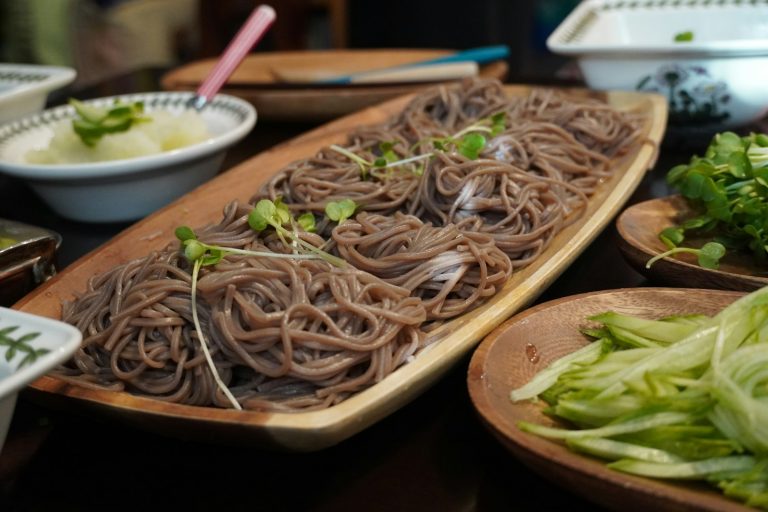
The same shape suits any noodle-in-broth dish — udon, soba in hot soup, even a bowl of pho. If soup is the main event, you want a ramen-style bowl. Our guide to the best Japanese ramen bowls covers sizes and styles, and the noodle bowl guide looks at cold and dipping-noodle vessels too.
The donburi bowl, explained
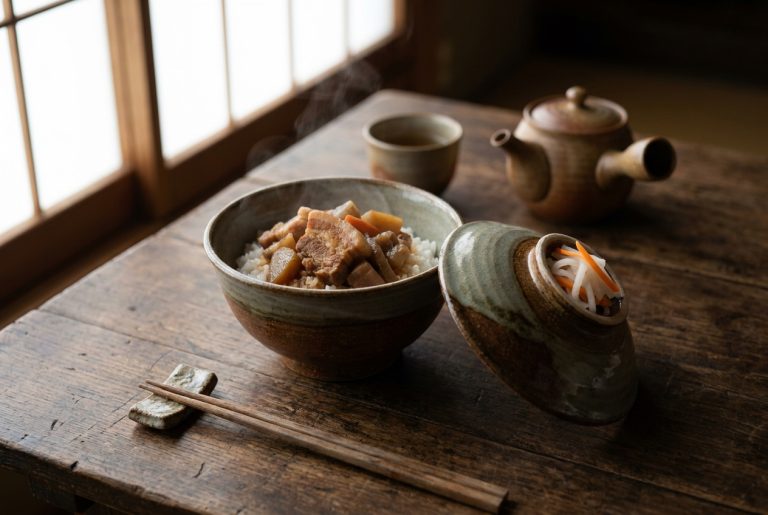
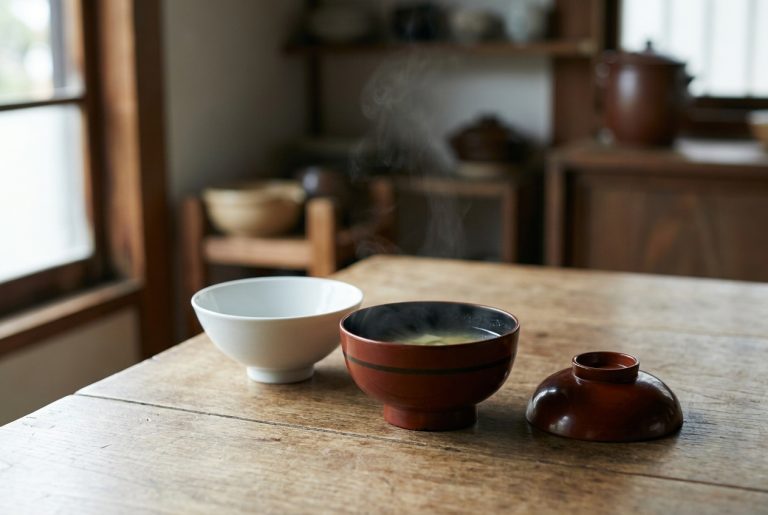
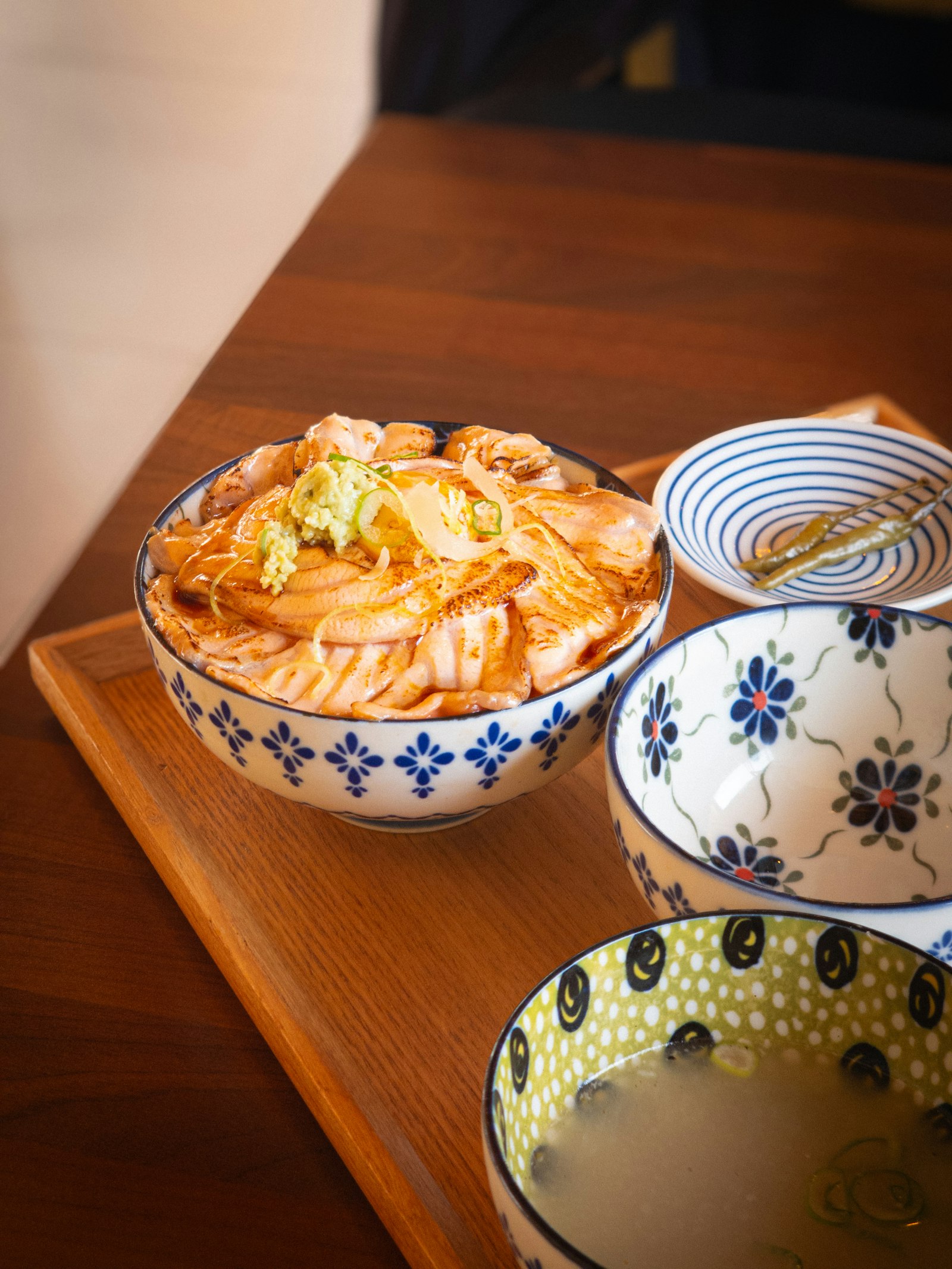
Donburi names both the bowl and the rice dish served in it — gyūdon (beef), katsudon (pork cutlet), oyakodon (chicken and egg), tendon (tempura). These bowls are deeper and narrower than a ramen bowl, usually around 500–800 ml, with walls that curve up to keep a hot mound of rice and its topping together. The compact shape holds heat and moisture and sits comfortably in one hand, the way rice bowls are meant to be eaten. Some come with a lid to steam and carry the meal.
If the base of the dish is rice, a donburi bowl is the right home for it. Our donburi bowl guide goes deeper on sizes and how to pick one.
Which one should you buy?
Start from what you actually eat most:
- Ramen, udon, soba in broth, pho, big soups → a wide ramen bowl (1,000 ml and up).
- Rice bowls — gyudon, katsudon, oyakodon, tendon, poke-style bowls → a deeper donburi bowl (500–800 ml).
- Both, and you can only buy one → a large donburi (around 900–1,000 ml) is the more flexible single bowl; it can stretch to a modest bowl of noodles, while a true ramen bowl is too wide and shallow for a tidy rice bowl.
Buy this, not that
If you can only own one, buy a large donburi bowl (900–1,000 ml): it stretches to a modest bowl of noodles, while a true ramen bowl is too wide and shallow to work as a tidy rice bowl. Don’t buy a dedicated ramen bowl first unless you eat noodles more often than rice.
Can one replace the other?
In a pinch, yes, but each does the other’s job imperfectly. A ramen bowl used for rice leaves the topping stranded across a wide floor and the food cools quickly; a small donburi used for ramen crowds the noodles and makes the broth hard to sip. If you cook both regularly, owning one of each is genuinely worth the shelf space. If you’re building a set from scratch, our Japanese tableware guide shows how the core bowls fit together.
Frequently asked questions
Is a donburi bowl the same as a rice bowl?
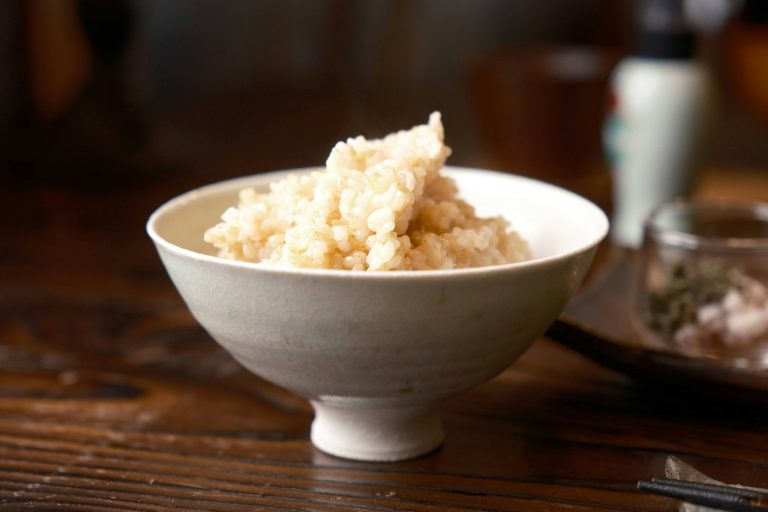
It’s a larger cousin. A standard rice bowl (chawan) holds a plain portion of rice; a donburi is bigger and deeper to hold rice plus a substantial topping as a full one-bowl meal.
What size ramen bowl should I get?
For a satisfying bowl with broth and toppings, aim for at least 1,000 ml (about 34 oz) and 18–20 cm wide. Go larger (up to ~1,300 ml) if you like extra soup or generous toppings.
Can I use a donburi bowl for ramen?
A large donburi (around 900–1,000 ml) works for a modest bowl of ramen. A standard donburi is usually too small once you add broth, noodles, and toppings.
Are ramen and donburi bowls microwave safe?
It depends on the material, not the shape. Plain porcelain without metallic trim is usually fine; rustic earthenware is riskier. See are Japanese bowls microwave and dishwasher safe.
Which should you buy first?
If you eat noodles more often than rice bowls, start with a wide ramen bowl (roughly 1,000–1,300 ml): it comfortably holds broth, noodles, and toppings, and it doubles as a serving bowl for salads or one-pot meals. If your table leans toward rice dishes — gyudon, katsudon, oyakodon — a deeper, more compact donburi bowl (around 500–1,000 ml) keeps rice and toppings layered and warm. Most homes end up wanting one of each, but you rarely need to buy both at once. Pick the shape that matches what you actually cook this month.
Related guides
- Best Japanese Ramen Bowls — sizes, shapes, and what to look for.
- Donburi Bowl Guide — the deep rice bowl, explained.
- Best Japanese Noodle Bowls — udon, soba, and somen vessels.
- Japanese Tableware Guide — how the core pieces fit together.
Disclosure: Nagori Ware is an independent editorial guide written from Japan. Some links elsewhere on the site are affiliate links. Parts of this site are drafted with AI assistance and checked against Japanese sources. General information, not legal or safety advice.