Donburi Bowl Guide: What to Look For (Size, Lid and Material)
The donburi is the bowl of the everyday Japanese meal — rice with something good on top, eaten from one vessel with a pair of chopsticks. Gyudon, katsudon, oyakodon, tendon, a glossy pile of sashimi over rice: all of them live in a donburi. Choose the right one and the meal looks generous and stays warm; choose wrong and rice crowds the rim while the bowl goes cold.
This guide covers what a donburi actually is, the size and shape that work, whether you want a lid, and the material that lasts — with a shortlist by how you eat.
What is a donburi bowl?
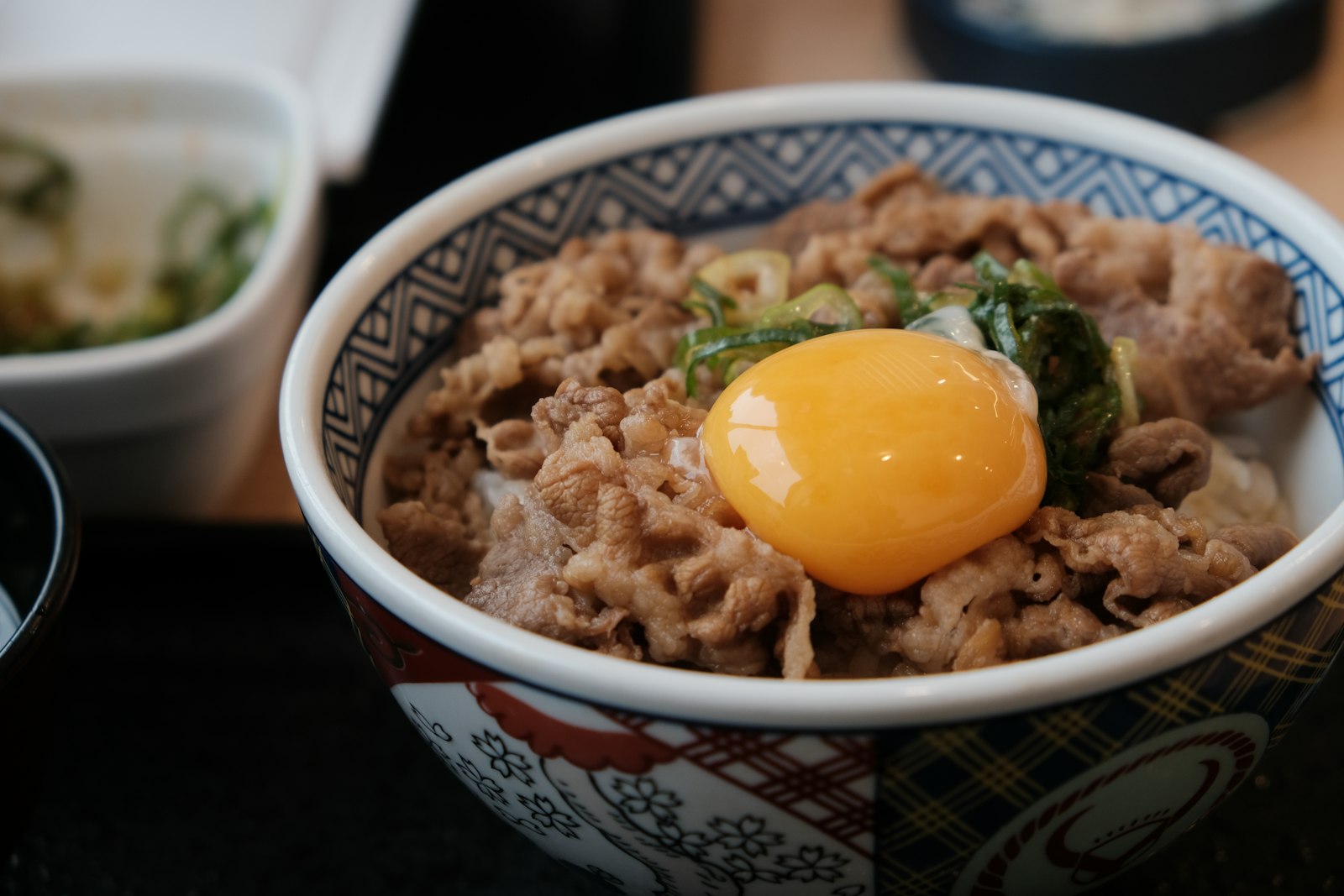
Donburi (丼) means both the dish — rice topped with a savory ingredient — and the bowl it is served in. It sits between two other vessels you may already know: bigger and deeper than a rice bowl (chawan), smaller and steeper-walled than a ramen bowl. The tall sides are the point: they hold a bed of rice and a saucy topping together without spilling.
Donburi bowl size: bigger than a rice bowl, deeper than a plate
A comfortable donburi runs about 15–19 cm (6–7.5 in) across and 500–1,000 ml in capacity. That holds a proper portion of rice plus a topping with room to eat. Katsudon and tendon, with their tall toppings, like the larger end; a simple gyudon is happy in the middle. If you are unsure, size up slightly — an under-filled donburi looks better than an overflowing one.
Rice donburi or noodle donburi? The 16 cm line
The 15–19 cm range above is the honest overall span, but it hides a split that Japanese sellers draw firmly, and buying across it is the most common way to end up with the wrong bowl:
- Rice donburi — about 14–16 cm. Gyudon, oyakodon, katsudon, tendon. Deep for its width, because the load is vertical.
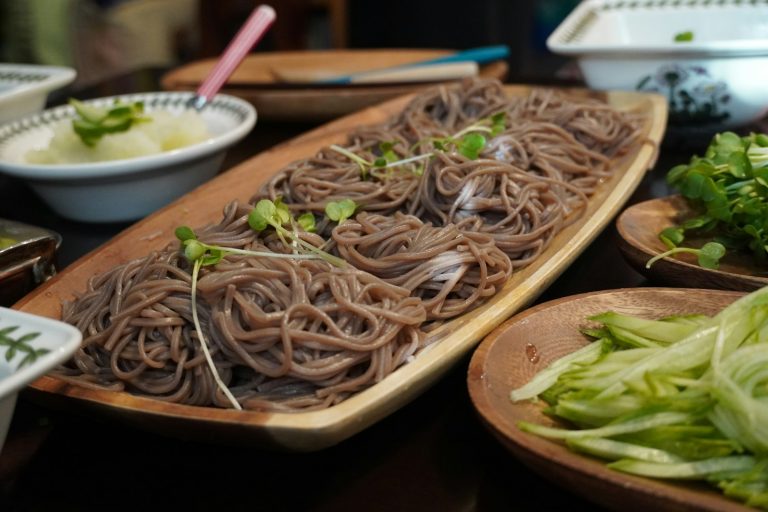
- Noodle donburi — about 17–19.5 cm. Udon, soba, ramen, kaisendon. Wider and more open, because broth and noodles need surface, not depth.
The line sits at roughly 16 cm for a reason nobody puts on a product page: a rice donburi is picked up, and a noodle donburi is not. Japanese table manners have you lift the rice bowl to eat from it, which means the diameter is capped by what one hand can hold from underneath — the guide to Japanese bowl etiquette explains which bowls this applies to and why. A noodle bowl stays on the table and is eaten from with chopsticks and a renge, so nothing constrains its width except the table.
So the practical test is not the dish name, it is your hand. If you will lift it, stay under 16 cm and get the depth instead. If it stays on the table, go wider and shallower — and at that point you are shopping in the ramen bowl territory, where the wall angle starts to matter more than the diameter.
If the listing quotes ounces, or nothing at all
American sellers price donburi in inches and ounces, and Japanese makers publish centimetres and millilitres, so the two halves of the same decision are written in different units. Here is the conversion, using the same 500–1,000 ml span given above.
| Stated capacity | In US fluid ounces | Rim width it usually comes with | What it takes |
|---|---|---|---|
| 500 ml | 17 oz | 14–15 cm (5.5–6 in) | A child’s portion, or a light gyudon. Too shallow for a cutlet |
| 700 ml | 24 oz | 16–17 cm (6.3–6.7 in) | The everyday rice donburi. Oyakodon, gyudon, a bowl of sashimi over rice |
| 900 ml | 30 oz | 17–18 cm (6.7–7.1 in) | Katsudon and tendon, where the topping stands up |
| 1,200 ml | 41 oz | 18–19.5 cm (7–7.7 in) | Noodles in broth. This is a noodle donburi, whatever the page calls it |
Two things fall out of that table. The first is that a great many bowls sold in English as “donburi” are 17–20 oz, which is 500–590 ml — the bottom of the range, and a size Japanese sellers would call a child’s bowl or a large rice bowl rather than a donburi. If the only number on the page is in ounces and it starts with a one, check the diameter before you assume it is the bowl in the photograph.
The second is that the small bowl is a real category rather than a mistake. A 10–14 cm donburi — a kodonburi — is what a Japanese household actually reaches for when one person wants a small oyakodon, and it is the size that gets skipped in English guides because it photographs as an ordinary bowl. If you cook for one, or for a child, or you like a second small bowl on the tray rather than one large one, buy it deliberately instead of buying the big one and under-filling it.
To lid or not to lid
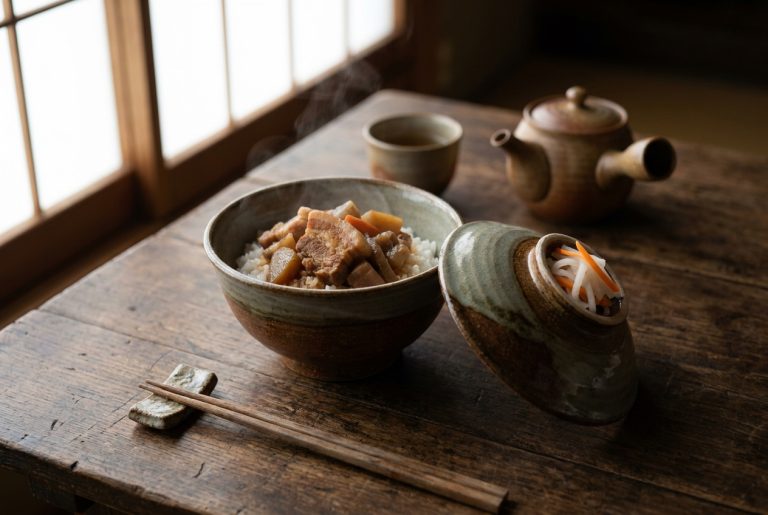
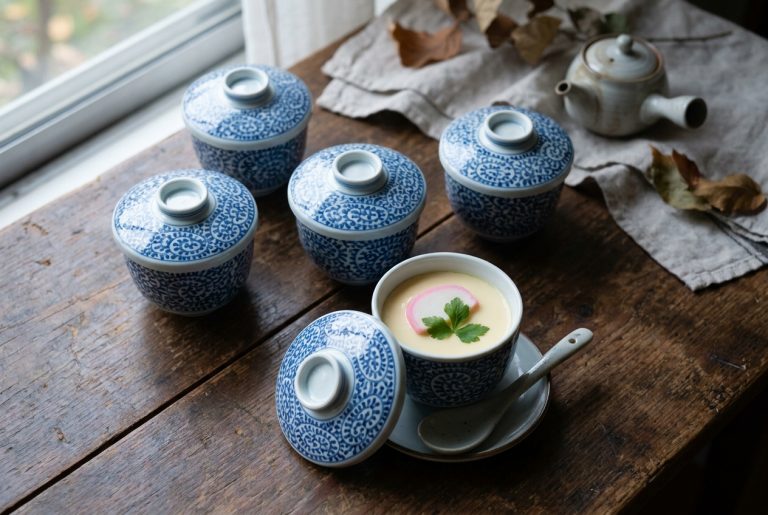
Some donburi come with a matching lid. A lid is not just presentation: it keeps rice and topping warm on the way to the table and traps aroma, so lifting it releases the steam of unadon or oyakodon at the first bite. If you like a sense of occasion — or eat slowly — a lidded bowl is worth it. For quick weeknight gyudon, an open bowl is simpler to store and wash.
Material
Porcelain (jiki 磁器) is the everyday standard — durable, easy to clean after saucy toppings, and usually dishwasher- and microwave-safe (useful for reheating rice). Stoneware (tōki 陶器) brings warmth and weight for a slower table but asks for gentler care. Authentic bowls come largely from Mino and Arita; avoid the thin melamine “donburi” sold for restaurant turnover if you want a bowl to keep.
Comparison at a glance
| Pick (by need) | Ware / Material | Best for | Care | Typical price* |
|---|---|---|---|---|
| Best all-round donburi | Mino porcelain | Gyudon, oyakodon, kaisendon | Dishwasher & microwave safe | $$ |
| Best lidded bowl | Porcelain with lid | Unadon, oyakodon, gifts | Dishwasher-safe | $$$ |
| Best large (katsudon/tendon) | Mino porcelain, deep | Tall, saucy toppings | Dishwasher-safe | $$ |
| Best for texture lovers | Stoneware | Slow meals, warmth | Hand-wash preferred | $$$ |
| Best value pair | Mino porcelain | Everyday, two people | Dishwasher-safe | $$ |
Buy this, not that
Buy one porcelain donburi of about 17–18 cm and 700–900 ml first. It carries gyudon, oyakodon and a bowl of sashimi over rice without thinking about it, and it is the only donburi most households ever need. Don’t make the lidded bowl your first purchase — the lid is for occasion, and it wants hand-washing even when the bowl underneath is dishwasher-safe. And skip the thin melamine “donburi” sold for restaurant turnover if you want a bowl you keep.
Our picks
Where to buy: for authentic, Japan-shipped pieces we point you to specialist shops rather than generic marketplaces. Purchase and payment complete on their site.
1. The all-round Mino donburi. Porcelain, around 700–900 ml, the shape that handles gyudon, oyakodon and a rice bowl of sashimi with equal grace. The one to buy first.
2. The lidded bowl. A matching lid for warmth and a little ceremony — the bowl that makes unadon or oyakodon feel like a restaurant dish at home.
3. The large, deep bowl. For katsudon and tendon, where a tall cutlet or tempura needs headroom above the rice.
4. The stoneware bowl. Heavier and warmer, with a glaze that shows the kiln. For the cook who wants the bowl to feel made.
5. The everyday pair. Two matched porcelain donburi so rice-bowl dinners work for two, every night.
Caring for your donburi
- Porcelain is dishwasher- and usually microwave-safe; skip the microwave for any piece with metallic or gold decoration.
- Lids are best hand-washed to protect any painted detail, even when the bowl is dishwasher-safe.
- Stoneware prefers hand-washing and dislikes thermal shock; warm the bowl before adding piping-hot rice in winter.
Frequently asked questions
What is the difference between a donburi and a rice bowl?
A rice bowl (chawan) is small (~11–12 cm) for plain rice. A donburi is larger and deeper (~15–19 cm) for rice topped with a savory dish. Most Japanese households own both.
Is a donburi the same as a ramen bowl?
Both belong to the donburi family of large bowls, but a ramen bowl is wider and made for soup and noodles, while a rice-dish donburi is a bit smaller with steeper walls to hold rice and topping.
Do I need a lid?
No, but a lid keeps food warm and adds a sense of occasion — nice for unadon or oyakodon, optional for quick gyudon.
Can I microwave a donburi to reheat rice?
Most glazed porcelain donburi are microwave-safe. Avoid metallic decoration and unglazed stoneware; check the maker note.
About this guide
Nagori Ware is an independent guide to Japanese tableware and tea. We research materials, regions and makers so you can buy once and buy well. We do not sell products; we point you to the specialist shops that make and stock them, and may earn a referral fee if you buy.
Disclosure: Nagori Ware is an independent editorial guide written from Japan. Some links elsewhere on the site are affiliate links. Parts of this site are drafted with AI assistance and checked against Japanese sources. General information, not legal or safety advice.